
Reviewed · MAUI STARGAZING TOURS
Stargazing Tour in Kapalua
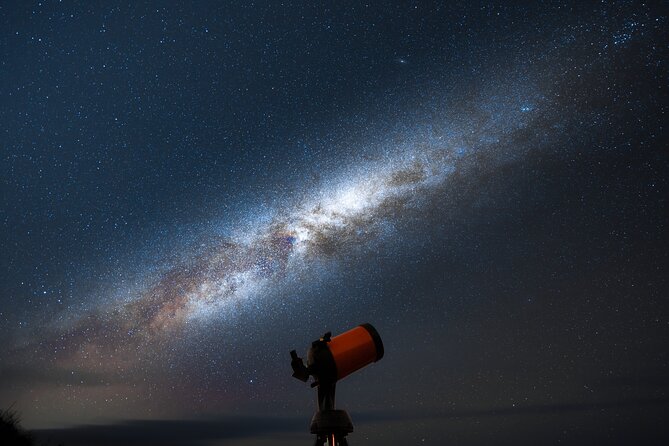
Maui’s west coast becomes a fine observing spot after sunset, and this tour takes you onto a dark beach with a powerful Schmidt-Cassegrain telescope. Guide Christian uses the telescope, a laser pointer, and plain-spoken astronomy to show you planets, stars, clusters, nebulae, and galaxies.
I like the small maximum of 12 people, which gives you a better chance at the eyepiece, and I like the mix of telescope views and naked-eye sky watching. Saturn, when visible, can be a memorable sight, with its rings showing through the scope.
The main consideration is the weather. Clouds can limit what you see, and the cultural side of Hawaiian and Polynesian sky traditions may feel lighter than the general astronomy.
In This Review
- Key points at a glance
- A dark beach changes the Maui night sky
- What happens during the one-hour session
- Why Saturn can make the hour worthwhile
- Christian’s astronomy lesson stays accessible
- Hawaiian sky traditions are part of the program, but not its main focus
- A small group helps, but the telescope is still shared
- Weather can shape the entire experience
- Is $96 a fair price for one hour?
- What to bring and what to expect on the sand
- Who will get the most from this Kapalua outing?
- Should you book Stargazing Tour in Kapalua?
- FAQ
- How long does the Stargazing Tour in Kapalua last?
- Where does the tour begin and end?
- What will I see through the telescope?
- Is the tour suitable for beginners?
- Are children under 6 allowed?
- What happens if bad weather cancels the tour?
Key points at a glance
- Dark Kapalua beach: The setting helps you see far more stars than you usually can from a brightly lit resort area.
- A serious telescope: The Schmidt-Cassegrain scope can reveal planets, star clusters, nebulae, and distant galaxies.
- Christian’s clear explanations: The guide covers how stars and planets form, how they behave, and what you are seeing overhead.
- A short, focused outing: The tour lasts about one hour, making it easy to fit into an evening on West Maui.
- Small-group format: No more than 12 people means a more personal session, though telescope time is still shared.
- Weather matters: Poor conditions can lead to a new date or a full refund, and even partial cloud cover can affect the experience.
A dark beach changes the Maui night sky
The best part of this outing is not only the telescope. It is the change in your surroundings.
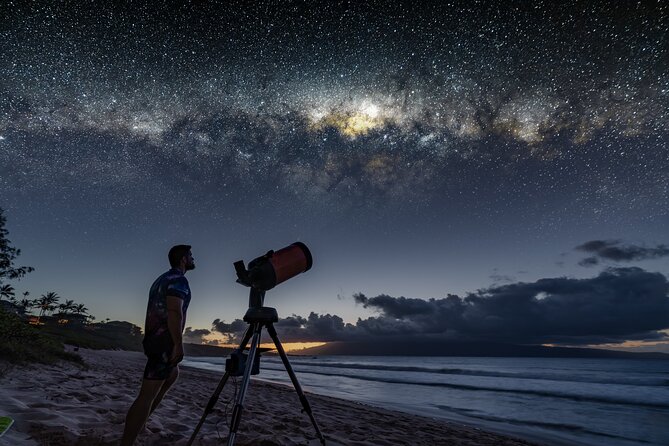
At the meeting point, Stargaze West Maui, 12 Kapalua Pl, Lahaina, you make a short walk to a darker part of the beach. Once you leave the brighter resort lighting behind, the sky can look startlingly full. You may see more stars than you are used to seeing at home, even before the telescope comes out.
That setting gives the tour a calm, low-key feel. You sit on a large sandmat rather than moving between several stops, so the evening is simple: listen, look up, and take turns at the scope. The beach is also a pleasant place to spend an hour, though you should remember that you are outside, near sand, with limited lighting and no public bathrooms.
The tour ends back at the same meeting point. You arrange your own transportation, and parking may involve a fee. Build in enough time to find the meeting place rather than arriving at the last minute.
More stargazing nights on Maui:
- Haleakala Sunset and Astronomy Tour
★ 5.0 · 33 reviews - Maui: Haleakala Sunset and Stargazing Tour with Dinner
★ 4.5 · 30 reviews - Haleakala Sunset and Stargazing Audio Tour
★ 4.0 · 10 reviews
What happens during the one-hour session
This is a compact astronomy lesson, not a long nighttime expedition. The activity lasts approximately one hour, so the guide has to keep the program moving while leaving enough time for each person to look through the telescope.
You begin with the sky above you. Using the naked eye and a laser pointer, Christian can identify particular stars and constellations. The laser makes it easier to follow his explanations, especially when he points out a small pattern that would otherwise look like an ordinary patch of sky.
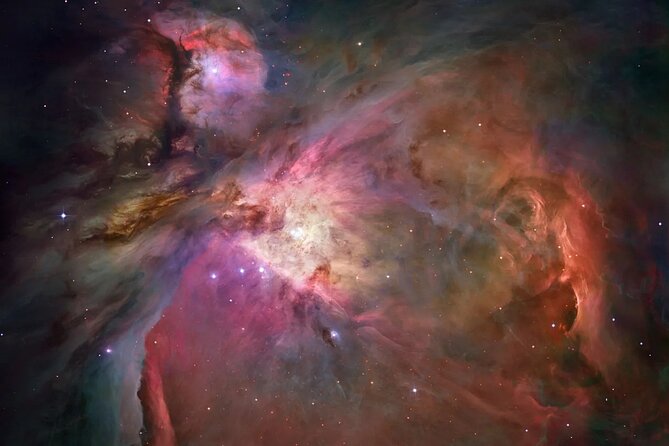
The discussion covers the basics of what you are seeing. You can expect information about planets and stars, along with star clusters, nebulae, and galaxies. The subject also includes how stars and planets form and how they behave. This works well for beginners because you do not need any prior astronomy knowledge.
The telescope then becomes the main attraction. The Schmidt-Cassegrain design is capable of giving you close views of bright celestial targets. Depending on the conditions and what is visible that night, you might see several different objects. One session included about five telescope views, while Saturn was a particular highlight on another evening.
Telescope time is shared among the group. With a maximum of 12 people, the group is smaller than many large sightseeing outings, but you should not expect to stare through the eyepiece for as long as you like. Each person needs a turn, and the guide has to reset or redirect the scope between targets.
Why Saturn can make the hour worthwhile
A telescope view of Saturn is different from seeing a bright dot in the sky. When the planet is visible and the scope is properly aligned, its rings can be seen. That single view can give the evening a clear sense of scale: the object overhead is not just a point of light but a distant planet with a visible structure.
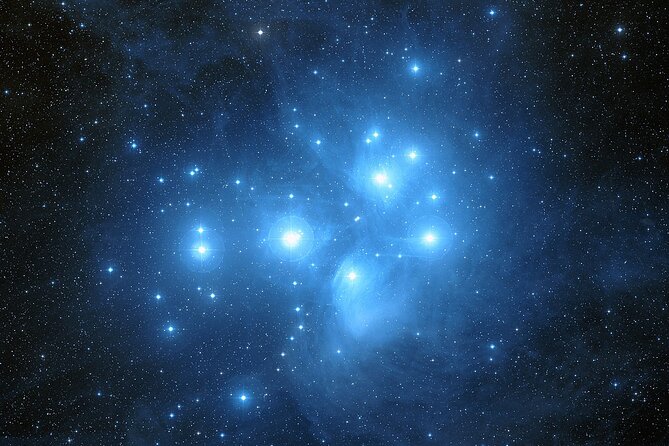
The moon and bright planets can also make strong targets. They are easier to see than faint objects and help first-time stargazers understand what a telescope can do. The guide may also point toward clusters, nebulae, and galaxies, though these targets can depend more heavily on the sky and the specific conditions that night.
This is where expectations matter. A telescope does not turn every object into a bright, detailed picture. Fainter targets may appear subtle, and cloud cover can cut down the number of useful views. Still, the combination of a dark beach, a guided explanation, and a chance to look through a proper telescope gives the hour more substance than simply sitting outside and guessing at constellations.
Christian’s astronomy lesson stays accessible
Christian is the named guide associated with the experience, and the strongest praise focuses on his explanations. He covers difficult subjects without making the session feel like a classroom lecture. That tone matters, especially if your group includes people with very different levels of interest.
You can arrive knowing nothing about astronomy and still follow the session. The guide explains stars, planets, galaxies, and their formation in terms that make sense to a general audience. If you already enjoy space science, you may appreciate having a chance to ask questions and connect familiar ideas with what is visible in Maui’s sky.
The laser pointer is a useful tool, not a gimmick. It lets the guide connect the spoken explanation to a precise place overhead. Without it, you might hear about a constellation while looking in the wrong direction.
The pace also suits a family evening, with one important limit: children under 6 are not allowed. Older children who are interested in space may enjoy the telescope and the novelty of seeing a planet such as Saturn. Adults who prefer a quiet, relaxed night activity should also find the format appealing.
More West Maui trips:
- Maui: Original Sunset Cruise with Open Bar from Ka’anapali Beach
★ 5.0 · 1,422 reviews - West Maui Half Day Snorkel from Ka’anapali Beach
★ 5.0 · 1,253 reviews - Maui Premium Sunset Dinner Cruise from Ka’anapali Beach
★ 5.0 · 903 reviews - West Maui Snorkeling Experience by Boat from Ka’anapali
★ 5.0 · 881 reviews
Hawaiian sky traditions are part of the program, but not its main focus
The experience includes information about Hawaiian celestial traditions, as well as history and mythology connected to the night sky. That adds useful local context. In Hawaiʻi, the stars are not only objects for modern science, and a sky-watching session is a natural place to discuss how people have read and understood the heavens.
You should set your expectations carefully. The astronomy content appears to be the stronger part of the session. If your main goal is a detailed account of Native Hawaiian and Polynesian navigation, traditional constellations, and the way ocean voyagers used the stars, this one-hour outing may feel too light.
That does not make the cultural material unimportant. It simply means you should book this as a general stargazing experience with some Hawaiian context, not as a dedicated cultural or navigation program. The balance leans toward planets, stars, and the science of the cosmos.
A small group helps, but the telescope is still shared
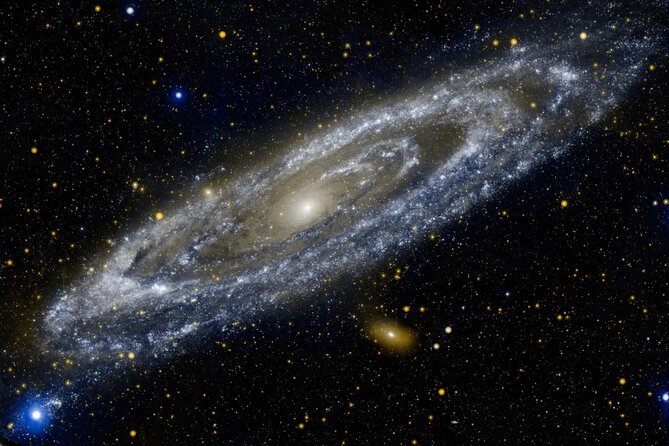
The maximum group size is 12 people. That is a useful limit for a telescope-based activity because a larger crowd would mean longer waits and less chance to ask questions.
A small group also helps the guide read the room. Beginners can get extra explanation, while people who already know the basics can focus on more specific questions. The format feels more personal than a large coach tour or a public astronomy talk.
Still, small does not mean private. You may be sharing the scope with up to 11 other people, and the telescope time will be divided among the group. One person who had a private session got more individual attention, but you should not count on that happening.
If getting a long, uninterrupted look through the eyepiece is your top priority, ask yourself how comfortable you are sharing the equipment. If you value clear instruction, a short walk to the beach, and several well-chosen views, the group format is a better fit.
Weather can shape the entire experience
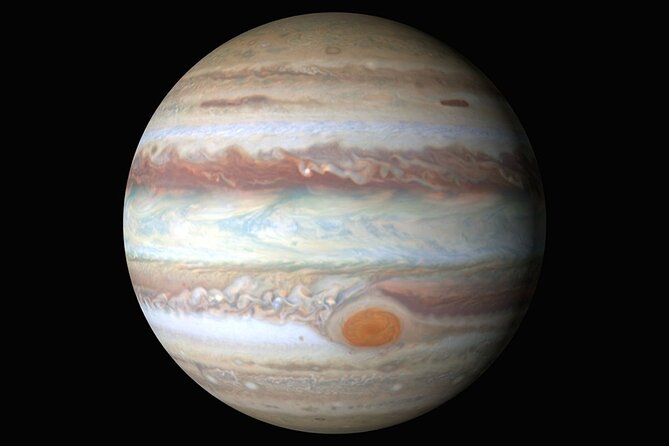
Stargazing is controlled by the sky, not by the schedule. The tour requires good weather, and poor conditions can lead to a different date or a full refund. That policy is fair, but it does not remove the risk of a disappointing night caused by clouds.
A cloudy evening can produce an uneven experience. You may still see some stars, the moon, or a planet through breaks in the cloud, but the number of targets can be limited. A session that goes ahead in marginal conditions may feel less satisfying than one under a clear sky.
There is also a practical inconsistency to be aware of. A previous session was canceled because of cloud cover, then later continued under similar conditions. That means a rescheduled date is not a guarantee of a perfectly clear sky.
For the best odds, keep your plans flexible and avoid making this the one activity your entire evening depends on. The provider offers a new date or a full refund if poor weather causes a cancellation. If you cancel on your own, you need to do so at least 24 hours before the start time for a full refund. Inside 24 hours, the payment is not refunded and changes are not accepted.
Is $96 a fair price for one hour?
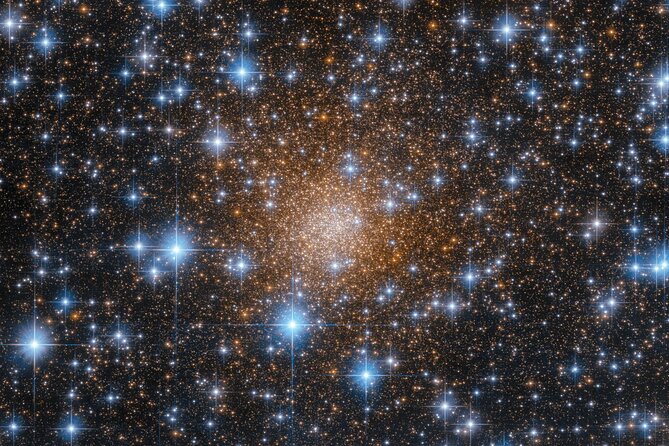
At $96 per person, this is not a bargain-priced evening walk. You are paying for a small group, a guide, telescope equipment, and access to a darker beach setting. The value depends heavily on how much you want a guided look at the sky rather than a free night on the sand.
The price makes more sense if your group is genuinely interested in astronomy. The telescope is the main paid feature, and an experienced guide adds meaning to what you see. Instead of pointing at random lights, you learn what you are looking at and how those objects fit into the wider universe.
The value is weaker if you mainly want a broad Hawaiian cultural program or a long beach activity. The session lasts only about an hour, and telescope time is shared. You also pay separately for transportation, possible parking, food, and drinks.
I see this as a specialized splurge. It can be a strong choice for a couple, a family with older children, or anyone who has always wanted to see Saturn through a telescope. It is less compelling for someone who is only mildly curious and would be happy with a casual sunset or beach walk.
What to bring and what to expect on the sand
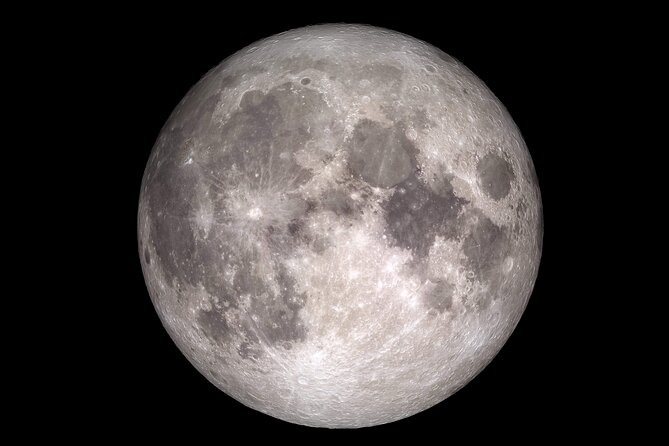
The provider supplies the telescope, guide, telescope views, astronomy information, and a large sandmat for seating. You do not need to bring astronomy equipment to take part.
You do need to arrange your own ride to Kapalua. Food and drinks are not included, and there are no public bathrooms listed for the activity. Paid parking is also not included, so check your plans before you arrive.
No inclement weather gear is provided. Since the session takes place outdoors at night, dress for an evening on the beach and be prepared for changing conditions. The activity involves walking over uneven stairs in limited lighting, so it is not suited to anyone with walking limitations such as a recent knee surgery or injury that makes that kind of terrain difficult.
Service animals are allowed. The tour calls for a moderate level of physical fitness, and children under 6 cannot join.
Who will get the most from this Kapalua outing?
I would choose this tour for you if you want a short, focused night activity and like the idea of seeing familiar objects in a new way. It is especially well suited to:
- First-time stargazers who want clear explanations
- Adults and older children interested in planets and space
- Couples looking for a quiet evening activity
- Small groups who prefer a personal guide
- Anyone who wants to see a dark Maui sky without committing to a long excursion
I would think twice if your priorities are a substantial Hawaiian culture lesson, guaranteed clear skies, or extended telescope time. The tour includes Hawaiian traditions and mythology, but the main emphasis is general astronomy.
The setting also favors people who are comfortable outdoors and can manage a short walk over uneven, dimly lit stairs. If that sounds tiring or unsafe, choose an activity with easier access.
Should you book Stargazing Tour in Kapalua?
Book it if the night sky is part of what you came to Maui for. A dark beach, Christian’s astronomy instruction, a laser pointer, and a serious telescope create a memorable hour, particularly when Saturn, the moon, or another bright target is in view.
Before booking, accept two limits: the weather may reduce the number of sights, and the cultural discussion may not go as far as you hope. At $96, this is worth it for a real interest in astronomy, but it is not the best pick as a generic evening filler.
If you can stay flexible about the weather and share the telescope with a small group, this is a calm and rewarding way to spend part of an evening on West Maui.
FAQ
How long does the Stargazing Tour in Kapalua last?
The experience lasts approximately one hour.
Where does the tour begin and end?
It begins at Stargaze West Maui, 12 Kapalua Pl, Lahaina, HI 96761, USA. The activity ends back at the meeting point.
What will I see through the telescope?
The Schmidt-Cassegrain telescope may be used to view planets, stars, star clusters, nebulae, and galaxies. The exact sights depend on the night sky and weather conditions.
Is the tour suitable for beginners?
Yes. The activity is designed for all astronomy knowledge levels and includes explanations about the cosmos, stars, planets, history, and mythology connected to the night sky.
Are children under 6 allowed?
No. Children under 6 are not permitted on this activity.
What happens if bad weather cancels the tour?
If the provider cancels the experience because of poor weather, you will be offered a different date or a full refund. If you cancel yourself, you must do so at least 24 hours before the start time to receive a full refund.
Just added around Maui
- Lahaina: Group Surf Lessons for Beginners★ 5.0 · 3 reviews
- Midmorning Whale Watch from Lahaina Harbor★ 3.5 · 3 reviews
- Clear Kayak Sunset and Glow Tour in Maui★ 3.5 · 3 reviews
- Professional Photographer in Maui★ 4.5 · 3 reviews
- The Ultimate Road to Hana Slingshot Adventure from Kihei Maui★ 5.0 · 3 reviews
- Private Airport Arrivals Rides to Hotel★ 5.0 · 3 reviews
- Brewery and Beach Cruise in a Vintage VW Bus★ 3.5 · 3 reviews
- Lahaina: Private Sunset Sailing Trip & West Maui Mountains★ 5.0 · 3 reviews
Maui Stargazing Tours, compared.

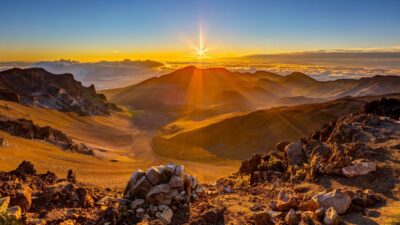
Haleakala Sunset and Stargazing Tour with Dinner
Read our review →
Browse the lists this tour appears in