
Reviewed · HIKING & TREKKING
Hike Honolua Ridgeline
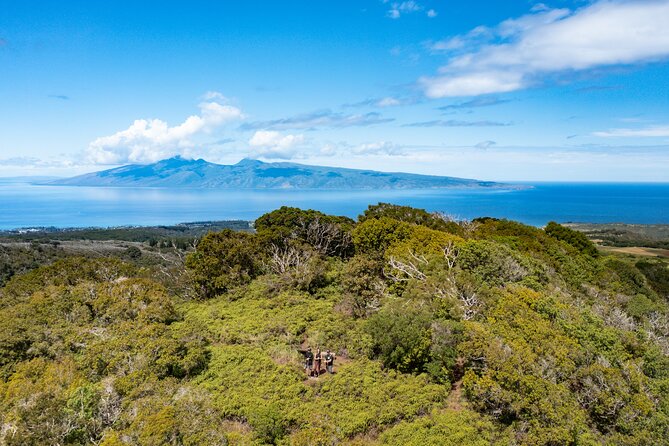
The Honolua Ridgeline gives you a quieter, more thoughtful side of Maui. Instead of spending the morning on a crowded beach or a standard sightseeing drive, you walk through private conservation land near Puʻu Kukui Watershed Preserve and learn why water shapes life on the island. I like the shaded two-mile route and the chance to see broad valley views that are difficult to reach on your own.
I also like the human scale of the outing. The group is capped at 12, and guides including Jason, Yancy, and Kevin bring strong local knowledge and real enthusiasm for plants and conservation. The main caution is trail footing: this is not a hard hike for most reasonably fit people, but some spots can be slippery, and the advertised snack is best understood as a small serving of fresh pineapple, not a meal.
In This Review
- Key points at a glance
- Why this ridgeline hike feels different
- Meeting at 9:00 a.m. in Lahaina
- Under the forest canopy
- Native plants, invasive species, and island water
- Lookouts over Maui’s valleys
- A relaxed pace, not a strenuous workout
- What the small group adds
- Is the price good value?
- Who should book the Honolua Ridgeline?
- Should you book it?
- FAQ
- Where does the Honolua Ridgeline hike meet?
- What time does the hike start?
- How long does the experience last?
- How far do you hike?
- Is the hike strenuous?
- How many people can join?
- What happens if the weather is poor?
Key points at a glance
- Private conservation land: Walk in an area most independent visitors cannot simply enter on their own.
- A two-mile shaded route: The trail passes under forest cover and usually takes about three hours and 15 minutes with stops for interpretation and views.
- Useful ecology lessons: Learn about native and invasive plants, the Puʻu Kukui watershed, and Hawaii’s sacred relationship with water.
- Small-group guiding: A maximum of 12 people allows room for questions and a steady, social pace.
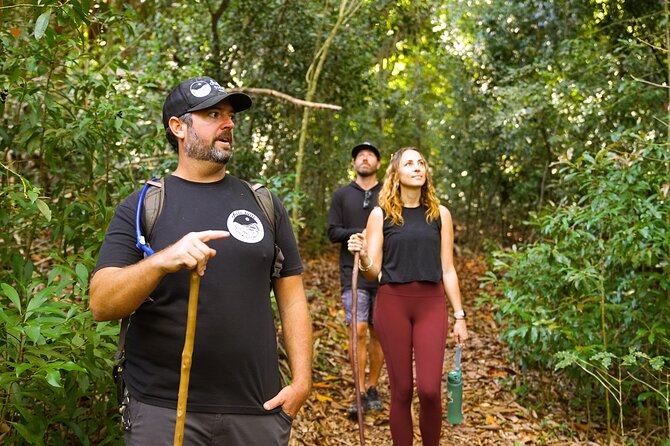
- Moderate but imperfect footing: The route is manageable for many casual hikers, though slippery sections require care. Walking sticks are thoughtfully provided.
- Fresh pineapple at the finish: Expect a light bite of cut Maui Gold pineapple, not substantial trail food.
Why this ridgeline hike feels different
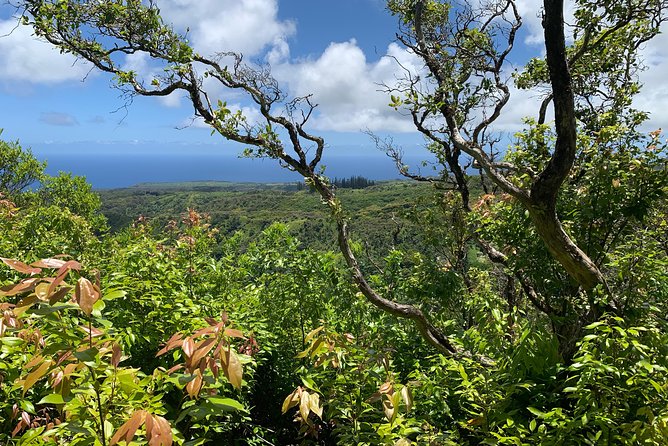
Maui is easy to experience from the coast. You can watch waves, drive scenic roads, and admire volcanic slopes from a lookout. The Honolua Ridgeline offers something less obvious: a look at the forest and watershed systems that make the island’s coastal life possible.
The route takes place on private conservation land near the Puʻu Kukui Watershed Preserve. That setting matters. You are not just walking through a pretty patch of trees. You are learning about land managed for the health of native plants, water sources, and the wider island ecosystem.
I especially like the way the hike connects scenery with purpose. A valley view becomes more meaningful when your guide explains the role of rain, forest cover, and watersheds. A large tree is more than a photo stop when you understand how native and introduced species affect the area.
The walk covers about two miles, but the outing lasts roughly three hours and 15 minutes. That tells you what kind of activity this is. It is not a fitness march designed to cover ground quickly. The pace leaves space for plant identification, questions, lookout stops, and conversation.
More West Maui trips:
- Maui: Original Sunset Cruise with Open Bar from Ka’anapali Beach
★ 5.0 · 1,422 reviews - West Maui Half Day Snorkel from Ka’anapali Beach
★ 5.0 · 1,253 reviews - Maui Premium Sunset Dinner Cruise from Ka’anapali Beach
★ 5.0 · 903 reviews
Meeting at 9:00 a.m. in Lahaina
You meet at 800 Office Road, Lahaina, Hawaii 96761, at 9:00 a.m. The activity returns to the same point, so you do not need to arrange a separate pickup location at the end.
The fixed morning start works well for this kind of outing. You can hike before the strongest part of the day, then still have much of the afternoon available. It also places the walk between breakfast and lunch, which explains the small pineapple serving at the end.
The tour does not promise a full meal, and you should plan accordingly. Bring whatever breakfast or water you need before arriving, especially if you prefer to hike with more food than a light fruit snack. The fresh Maui Gold pineapple is a pleasant finish, but it is not meant to replace lunch.
The group limit is 12 people. That is large enough to create a friendly atmosphere but small enough for a guide to speak with the group rather than simply lead from the front. A small group also helps when you want to stop and ask about a plant or view without holding up a long line.
Under the forest canopy
The opening section takes you beneath a canopy of shade. That is one of the route’s practical strengths, particularly in Maui, where an exposed trail can feel hot even during a morning outing.
Shade does not mean the walk is effortless. You still need to be comfortable walking for two miles on an uneven natural trail. The stated fitness level is moderate, and that is a fair way to think about it. You do not need to be an athlete, but sturdy footing and a willingness to walk steadily are important.
Several people who joined with a less active family member found the pace approachable. A 12-year-old also enjoyed the outing, and walking sticks were provided. Those details make this a reasonable choice for families and mixed-ability groups, as long as everyone understands that this is a real trail rather than a paved garden path.
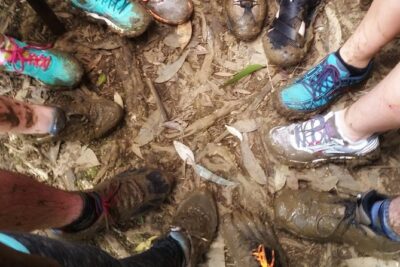
The route may include slippery sections. Take your time, use the supplied stick when helpful, and avoid treating the walk as a race to the next lookout. Footwear with a secure sole is a smart choice, though the supplied information does not specify a required shoe type.
Native plants, invasive species, and island water

The guide’s interpretation is the heart of the experience. The scenery would be pleasant on its own, but the walk gains its meaning from the explanations along the way.
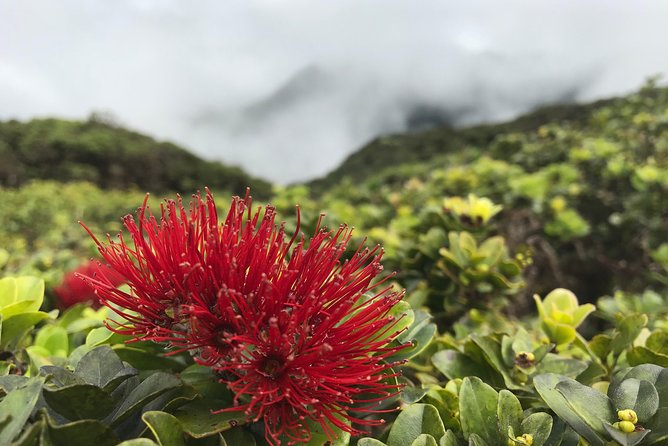
You learn about Maui’s native forest and the difference between native and invasive plant species. That subject can sound technical, yet it becomes clear when you are looking at the plants directly. Your guide can point out what belongs to the island’s older ecological story and what has arrived later, then explain why that distinction matters for conservation.
The focus on the watershed adds another layer. Puʻu Kukui is tied to Maui’s water system, and the hike presents water as more than a resource used by homes, farms, and resorts. It is connected to forest health, cultural values, and the survival of native species.
I like that the tour treats conservation as an active job. You are not simply told that nature is fragile. You get a sense of what a conservation team does and why private protected land can be important. For anyone curious about how Hawaii balances public enjoyment with ecological care, this is more useful than a basic plant-name walk.
The quality of the guide matters greatly here. Jason is described as warm, well informed, and especially good at explaining plants and the surrounding area. Yancy brings strong passion for botany and conservation, while Kevin is described as entertaining as well as well informed. Your guide will depend on the date, but the experience clearly relies on guides who enjoy sharing the subject rather than reciting a short script.
More Maui hikes:
- Small Group Waterfall and Rainforest Hiking Adventure on Maui
★ 5.0 · 1,417 reviews - Waterfall & Rainforest Hiking Adventure with Hotel Pickup
★ 5.0 · 518 reviews - Road To Hana: Maui Waterfall Hiking Tour in Private Jeep
★ 5.0 · 343 reviews - Maui: Rainforest Waterfalls Guided Hike with Picnic Lunch
★ 4.9 · 274 reviews
Lookouts over Maui’s valleys
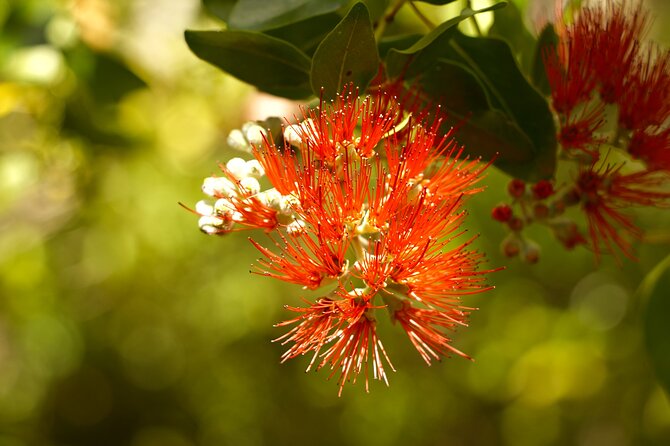
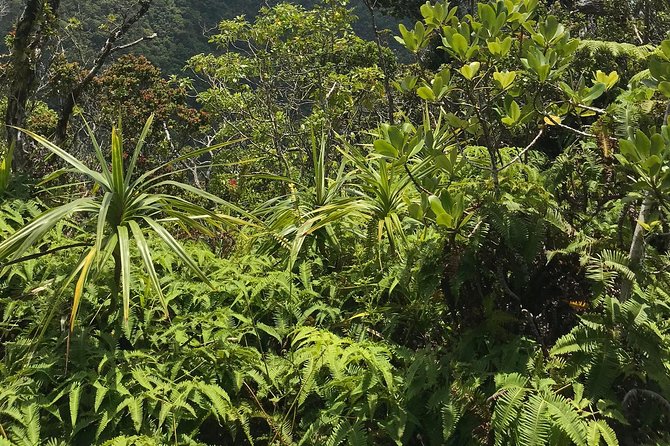
The trail includes lookouts with wide views into valleys. These are some of the outing’s biggest rewards, since the views are not the sort you get from a roadside stop.
The contrast is appealing. One moment you are focused on leaves, trunks, and shaded ground. Then the forest opens and you are looking across the folds of the island. The views give you a better sense of how the ridgeline fits into the surrounding country.
Do not expect a nonstop panorama. This is a forest hike with scenic openings, not a viewpoint tour connected by a broad, open path. That is part of its appeal, but it also helps set expectations. You will spend much of the walk under trees, with the best views appearing at selected points.
A large banyan tree is another memorable feature of the forested section. The route’s appeal comes from these details: a striking tree, a plant explanation, a valley opening, and a lesson about water. The guide turns them into a connected story rather than a string of unrelated stops.
Bring a camera if you like taking pictures, but keep your attention on the footing too. The combination of lookouts and slippery spots means this is a walk where you should stop fully before taking photos.
A relaxed pace, not a strenuous workout
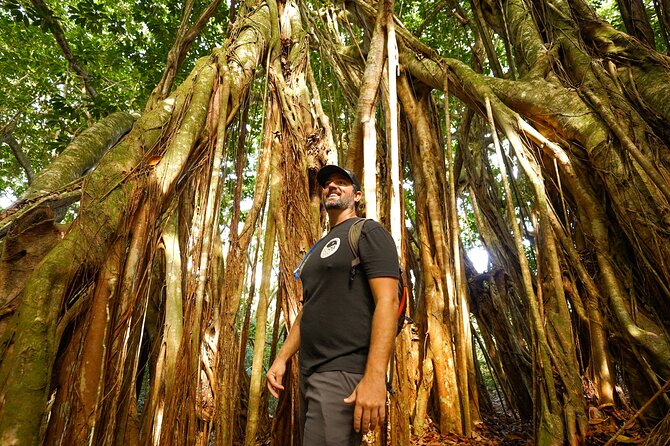
The physical level is one of the tour’s most attractive features. The route is described as mild to moderate, and the pace suits people who want to walk and learn rather than push for a personal best.
I would consider it a good fit if you enjoy day walks but do not think of yourself as athletic. The distance is modest, and shade helps. Still, you should have a moderate level of fitness and be comfortable on natural ground for several hours, including time spent standing at stops.
Families can consider it, particularly if children are used to walking. The outing worked well for a group with a 12-year-old, and walking sticks are available. The guide can also help keep the group moving at a sensible pace, although the supplied information does not promise a private pace for each family.
The trail is less suitable if you need completely level surfaces or want a short stroll with no chance of slick ground. The word hike should be taken seriously, even though the route is not described as strenuous.
What the small group adds
With no more than 12 people, the guide can create a conversational outing. You have a better chance to hear plant explanations, ask about conservation work, and see what the guide is pointing out.
That matters most on an interpretive walk. If the group were much larger, people at the back could miss details or feel reluctant to ask questions. Here, the setting encourages you to stay engaged.
The guide personalities also shape the morning. Jason is praised for being friendly and exceptionally well informed. Yancy is especially passionate about plant life and Maui’s conservation efforts. Kevin brings an entertaining style. These descriptions suggest that the best part of the tour is not only what you see, but how clearly the guide helps you understand it.
No guide can control the weather or make every plant visible on every day. The value comes from having someone who knows the area and can adapt the conversation to the group’s questions and the conditions on the trail.
Is the price good value?
The supplied details do not give a price, so I cannot judge the exact dollar value. I can still explain what you are paying for.
This is not simply access to a two-mile path. The experience includes entry to private conservation land, a local guide, a small group, interpretation about ecology and water, lookout stops, and a return to the starting point. If you would otherwise walk without understanding what you were seeing, the guide adds the main value.
It is a stronger purchase for someone interested in Hawaii’s plants, watersheds, and conservation work. If your main goal is a strenuous climb, a long summit route, or a full meal, this may feel too gentle and too short for the cost.
The pineapple should not be a deciding factor. It is a fresh, local touch, and the Maui Gold variety is served cut at the end, but it is only a light snack. Think of the tour as an interpretive nature walk with a small refreshment, not a food outing.
Who should book the Honolua Ridgeline?
I would recommend this hike to you if you want to understand more about Maui beyond its beaches. It suits couples, families with older children, and people who enjoy nature walks but do not want an exhausting climb.
It is also a good choice for repeat visitors. If you have already spent time along the coast, the ridgeline gives you a different view of the island. The combination of private land, native forest, valley lookouts, and conservation lessons can become one of the more distinctive mornings of a Maui stay.
You should think twice if you dislike uneven ground, have trouble walking for several hours, or want guaranteed sunshine. The outing requires good weather, and it can be canceled if conditions are poor or if the minimum group size is not met. In either case, you are offered another date or a full refund.
Cancellation is free when you cancel at least 24 hours before the 9:00 a.m. start. Changes or cancellations inside that window are not refunded, so leave yourself some flexibility when booking.
Should you book it?
Book this if you want a small-group nature walk with real ecological context, not just another Maui viewpoint. The two-mile distance keeps the outing manageable, while the guide-led stops make the forest, watershed, and conservation work easier to understand.
The main tradeoff is that the hike is gentle in distance but still natural underfoot. Expect some slippery sections, bring suitable footwear, and do not count on the pineapple to fill you up. If those limits suit you, the Honolua Ridgeline is a thoughtful and worthwhile way to spend a Maui morning.
FAQ
Where does the Honolua Ridgeline hike meet?
The meeting point is 800 Office Road, Lahaina, HI 96761, USA.
What time does the hike start?
The hike starts at 9:00 a.m.
How long does the experience last?
The experience lasts approximately three hours and 15 minutes.
How far do you hike?
The route covers about two miles, or 3.2 kilometers.
Is the hike strenuous?
The hike requires a moderate level of physical fitness. It is generally described as mild or not too strenuous, but some sections can be slippery.
How many people can join?
The maximum group size is 12 people.
What happens if the weather is poor?
The experience requires good weather. If it is canceled because of poor conditions, you are offered a different date or a full refund.
Just added around Maui
- Lahaina: Group Surf Lessons for Beginners★ 5.0 · 3 reviews
- Midmorning Whale Watch from Lahaina Harbor★ 3.5 · 3 reviews
- Clear Kayak Sunset and Glow Tour in Maui★ 3.5 · 3 reviews
- Professional Photographer in Maui★ 4.5 · 3 reviews
- The Ultimate Road to Hana Slingshot Adventure from Kihei Maui★ 5.0 · 3 reviews
- Private Airport Arrivals Rides to Hotel★ 5.0 · 3 reviews
- Brewery and Beach Cruise in a Vintage VW Bus★ 3.5 · 3 reviews
- Lahaina: Private Sunset Sailing Trip & West Maui Mountains★ 5.0 · 3 reviews
Hiking & Trekking, compared.
Small Group Waterfall and Rainforest Hiking Adventure on Maui
Read our review →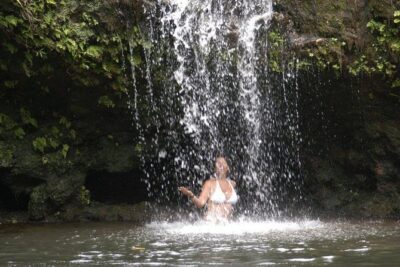
Waterfall & Rainforest Hiking Adventure with Hotel Pickup
Read our review →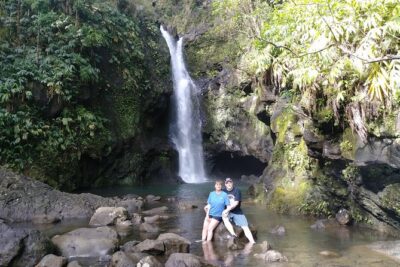
Road To Hana: Maui Waterfall Hiking Tour in Private Jeep
Read our review →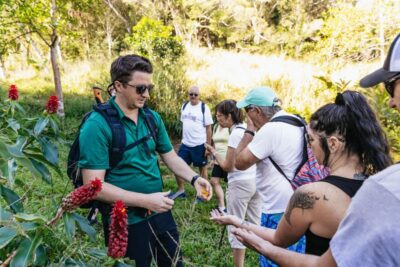
Rainforest Waterfalls Guided Hike with Picnic Lunch
Read our review →
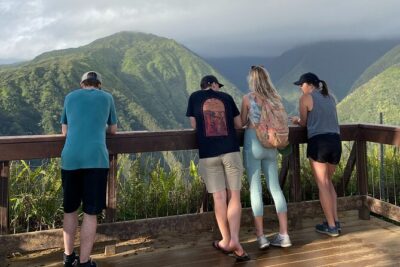


Waterfall Hike and Kayak Snorkel & Paddle from Makena
Read our review →Browse the lists this tour appears in