
Reviewed · WHALE WATCHING
Maui Eco-Raft Tour: Eye-Level Whale or Dolphin Watching – Lahaina
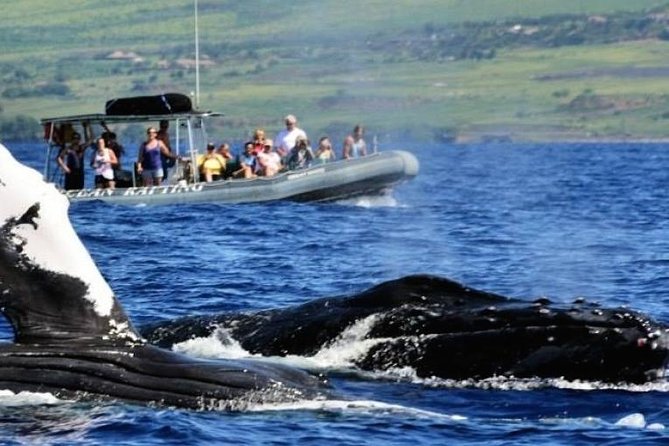
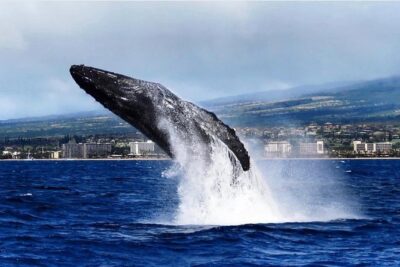
A small raft puts you right at water level, where a whale’s back, tail, or breaching splash feels far more immediate than it does from a large sightseeing boat. From December through April, the focus is migrating humpback whales. In summer, the same style of trip shifts to dolphin watching and coastal views.
I like the small-group feel and the way a marine naturalist explains what you are seeing instead of leaving you to guess at distant blows. I also like the hydrophone, which lets you hear whale songs underwater. The tradeoff is simple: this is a low raft, so spray and light rain are part of the deal, and the wild animals do not follow a schedule.
In This Review
- Key points at a glance
- Why a low raft changes whale watching
- December through April: Maui’s humpback season
- Summer changes the subject to dolphins
- The Lahaina meeting point and the real itinerary
- What the 2.5 hours feel like
- The crew is a major part of the value
- Comfort, sun, spray, and seating
- Is $85.16 a fair price?
- Weather and cancellation flexibility
- Who should book this Lahaina raft tour?
- Should you book it?
- FAQ
- Where does the Maui Eco-Raft Tour depart?
- Where does the tour end?
- How long does the tour last?
- When can I see humpback whales?
- What does the tour offer during summer?
- Can I hear whale songs?
- Are wildlife sightings guaranteed?
- What is the minimum age?
- Can pregnant people join the tour?
- What should I bring?
Key points at a glance
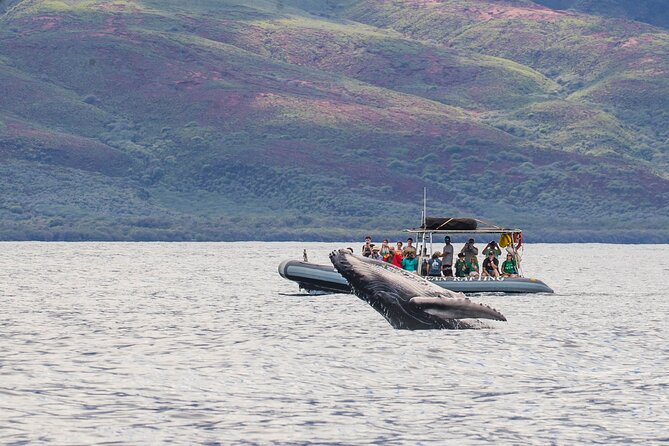
- Eye-level wildlife views: The raft rides low, giving you a close-to-the-water view of whales or dolphins.
- Seasonal choice: Book humpback whale watching from December to April, or dolphin watching and coastal sightseeing in summer.
- Hydrophone listening: During whale season, you can hear real whale songs beneath the boat.
- Small group setting: The raft holds no more than 25 people, with many departures running at a smaller size.
- Plan to get wet: Bring a hat, sunglasses, and reef-safe rub-on sunscreen. Spray sunscreen is not permitted.
- Strict boarding rules: Arrive 30 minutes early at 1223 Front Street in Lahaina. The boat leaves promptly.
Why a low raft changes whale watching
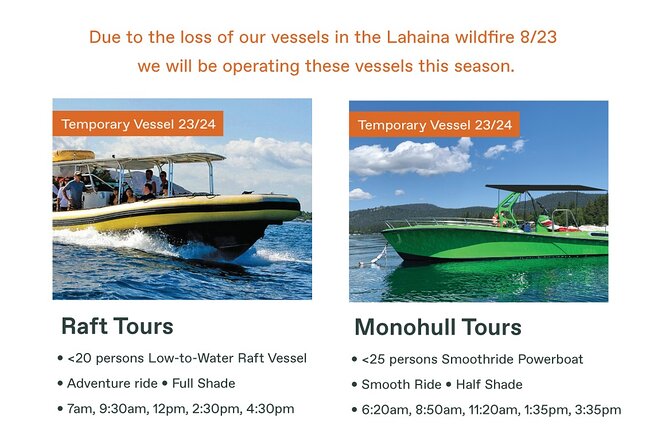
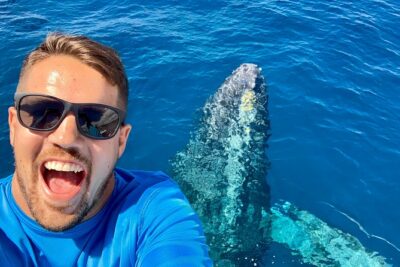
A large boat gives you more room, but a zodiac raft gives you a different point of view. You sit close to the water, so even an ordinary whale surfacing can feel dramatic. A tail rising nearby appears at eye level rather than far below a high viewing deck.
The raft also makes it easier to scan the sea in every direction. When a whale appears, the captain stops the boat for viewing and photographs. That pause matters. You get a chance to watch the animal’s behavior instead of racing past it.
This is not a sightseeing cruise with a party atmosphere. The group size is capped at 25, and departures often run with roughly 16 people or so. That leaves more room for the captain and marine naturalist to answer questions and point out details.
There is one important limit. Close encounters are not promised. Whales and dolphins are wild animals, and the crew cannot control where they surface or how long they stay. The value of the trip comes from the setting, the search, and the interpretation, not from a guaranteed breach on command.
More things to do in Lahaina:
- Maui: Lahaina ATV Adventure
★ 5.0 · 1,582 reviews - Maui: Ultimate Whale Watch from Lahaina
★ 5.0 · 1,162 reviews - Lahaina: Maui Ku’ia Estate Guided Cacao Farm Tour and Tasting
★ 5.0 · 1,103 reviews
December through April: Maui’s humpback season
During the winter whale season, the trip is built around humpback whales. Your captain searches the waters off Lahaina, while the marine naturalist explains whale behavior and the Hawaiian ecosystem.
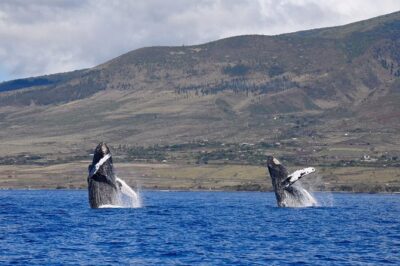
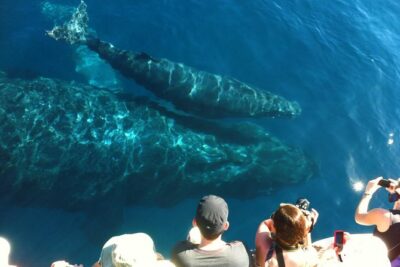
You may see blows, tail flukes, pectoral fins, breaches, mothers with calves, or an escort whale moving nearby. The exact mix changes from trip to trip. Some departures find action quickly, while others begin slowly and improve later.
The crew’s job is more than simply pointing at a whale. Guides such as Captain Jack, Captain Mark, Olivia, Jess, Captain Steve, and others have been praised for explaining behavior and helping the group understand what it is seeing. Names and crew assignments can change, but the format remains the same: captain at the helm, marine naturalist interpreting the wildlife.
The hydrophone adds something most land-based whale watching cannot provide. When conditions allow, you can listen to whale songs beneath the raft. Hearing those sounds gives you a better sense that the animals are communicating even when you cannot see them.
A useful tip: take a jacket or warm layer, even if the morning began sunny. Ocean spray, wind, and light rain can make the ride feel cool. Complimentary ponchos may be available, but a poncho does not replace a layer underneath.
Summer changes the subject to dolphins
From roughly May through the warmer months, the tour becomes a dolphin-watching and coastal-sightseeing experience. The boat remains the same low raft, but the main wildlife target changes.
Dolphins can be active and quick, so the raft’s open sightlines are useful. You may need to scan across the surface rather than wait for a large blow. The crew provides narration as you search, helping you understand what you are looking at and adding facts about Maui and its surrounding waters.
Snacks and beverages are included on dolphin tours. The information provided for the whale trip is less specific about onboard food, and one departure offered only water upon request, so do not book this as a full meal. If you have a serious food allergy, notify the operator in advance and bring required medication. Onboard snacks may contain or contact gluten, nuts, peanuts, shellfish, fish, soy, eggs, dairy, and wheat.
Summer also makes this a useful choice if you want wildlife on the water but are visiting outside whale season. You still receive the small-raft experience and coastal scenery, but you should book with the understanding that dolphin sightings, like whale sightings, are not guaranteed.
The Lahaina meeting point and the real itinerary
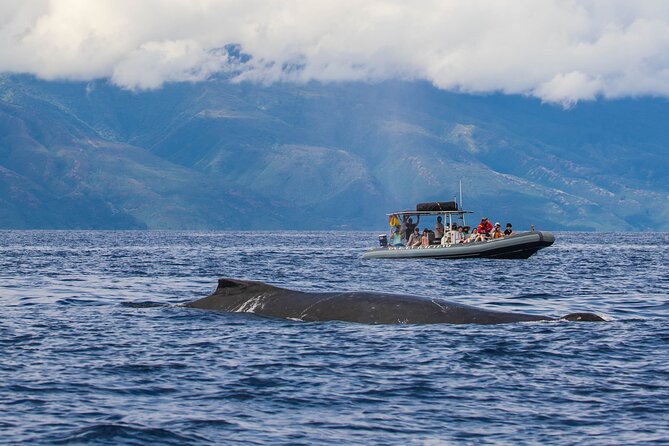
The listed meeting point is 1223 Front Street, Lahaina, and the tour returns there after about two and a half hours. The itinerary is best understood as one coastal boat outing, not a series of land stops. Lahaina is the start and finish; the main attraction is the water off Maui.
Plan to arrive at least 30 minutes before boarding. This is not a suggestion to stroll in at the last minute. The raft leaves on time, and arriving late can mean missing the trip without a refund.
Finding the exact operator can take a little effort around Front Street. Look for the Hawaii Ocean Rafting check-in rather than assuming every nearby dock belongs to the same company. Parking can be limited, so allow extra time if you are driving.
Boarding requires physical mobility. You need to be able to get onto the raft at the departure location, and the boat is not suitable for people who are pregnant or those with back or neck injuries. Children must be at least three years old, with no babies permitted.
Life jackets are provided for emergencies but are not normally required during the ride. That keeps the seating less restrictive, but you should still follow every direction from the captain, especially when the raft is moving or stopping near wildlife.
More dolphin trips off Maui:
- Ultimate 4 Hour Lanai Snorkel and Dolphin Encounter
★ 5.0 · 927 reviews - Lanai Snorkel and Dolphin Watch from Maalaea
★ 4.5 · 235 reviews - Maui to Lanai Semi-Private Eco Raft Snorkel & Dolphin Tour
★ 5.0 · 225 reviews - Lanai Deluxe Dolphin Adventure & 3 Snorkel Sites
★ 5.0 · 102 reviews
What the 2.5 hours feel like
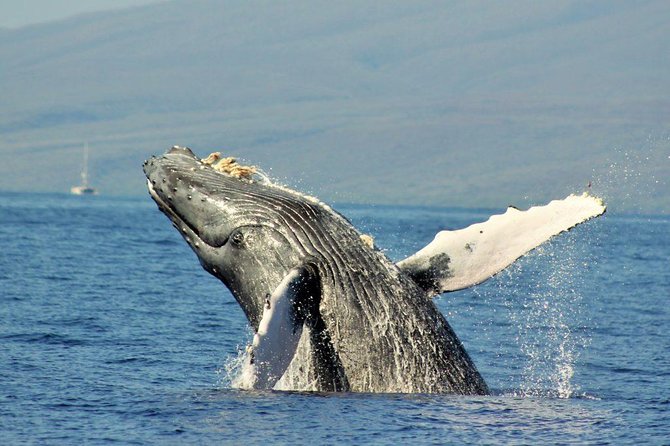
The trip begins with check-in and boarding, followed by the ride out from Lahaina. Once on the water, the crew searches for the selected wildlife while giving a running explanation of the area and animal behavior.
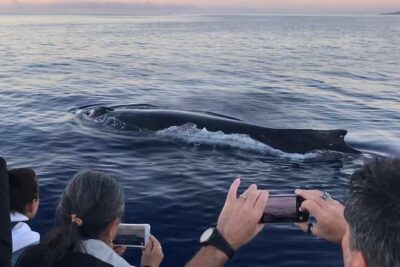
When the captain spots a whale or dolphin, the raft stops for viewing. You may move your attention from one side to the other as the animal surfaces, and the low position helps with photographs. The crew also reminds people when to sit so everyone gets a fair view.
The experience can vary sharply by weather and animal activity. One outing may produce repeated breaches, while another may involve slower observation of mothers, calves, or distant surfacing. I prefer this honest kind of wildlife trip to one that treats nature like a stage show, but you should know what you are buying.
Two and a half hours is a sensible length. It gives the crew time to search without keeping you on a small, exposed raft all day. If you get seasick, cold, or tired from sun and spray, the duration is still manageable compared with a longer cruise.
The crew is a major part of the value
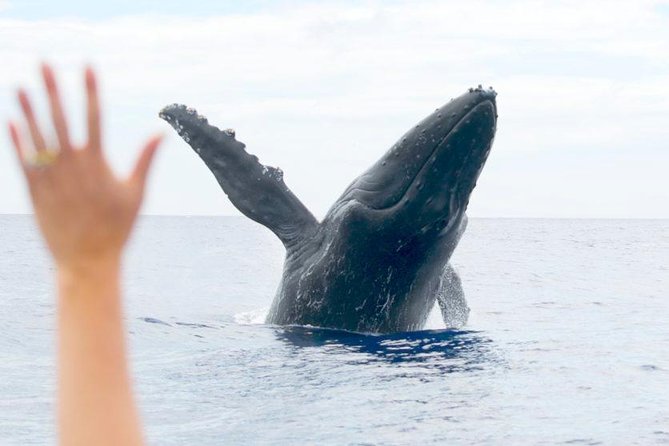
The strongest feature of this tour is the crew’s mix of boat handling and natural history. Captains including Jack, Mark, Steve, and Darryll have been praised for finding whales, positioning the raft, and keeping the trip organized. Marine naturalists including Jess, Olivia, Meredith, Shay, Diana, and others have been singled out for clear explanations and friendly energy.
You should not expect every named crew member to work every departure. Still, the operating style is clear: the captain searches and maneuvers, while the naturalist helps you read whale or dolphin behavior.
That second role makes a real difference. Without narration, you might see a splash and miss the reason behind it. With guidance, you can learn to watch for a whale’s breathing pattern, tail movement, calf behavior, or the difference between a brief surface appearance and a longer stay.
The crew also has to balance excitement with wildlife rules. The raft may get close enough for excellent views, but it must not interfere with the animals. Good positioning means letting the whale decide how near it comes, not chasing it for a dramatic photograph.
Comfort, sun, spray, and seating
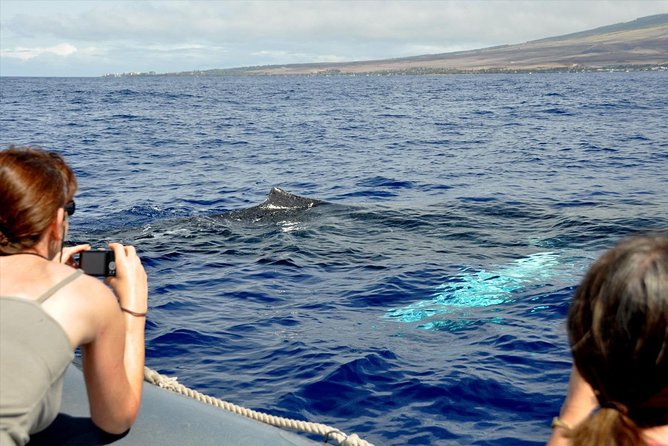
This is an adventure boat, not a padded indoor cabin. You should expect ocean spray and light rain, and you may get wet even on a pleasant day. Bring a light jacket, sun protection, and clothing you do not mind exposing to saltwater.
The available shade varies by boat. Wear a hat and sunglasses, and use reef-safe rub-on sunscreen. Spray sunscreen is not allowed, so apply the approved type before boarding.
Wear practical shoes. Some departures require you to remove your shoes before entering the boat, and slip-on shoes make that easier. Keep belongings secure and avoid bringing anything fragile that cannot handle spray.
Seating can affect your view. Arriving early helps with boarding and may improve your choice of seat. If you take the last available spots, you could end up toward the back, where the view may be less direct, although that position can put you closer to the captain and naturalist.
The raft is comfortable enough for the length of the tour, but people with back or neck problems should skip it. The ride is not designed for pregnancy, and physical mobility is needed to board.
Is $85.16 a fair price?
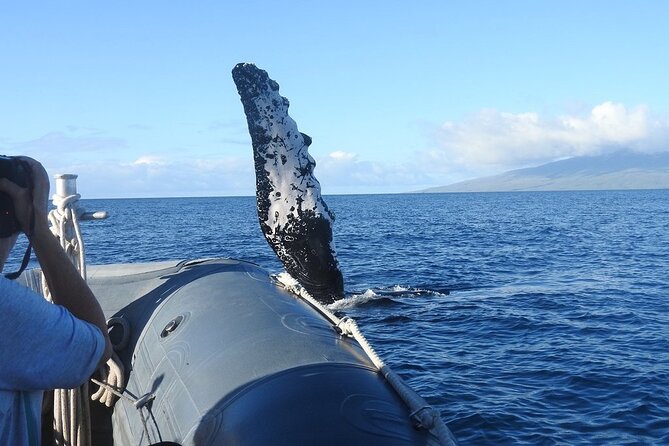
At $85.16 per person, this is a reasonably priced way to get onto the water without paying for a full-day charter. You are paying for about two and a half hours, a small raft, a captain, a marine naturalist, wildlife searching, and the hydrophone during whale season.
The price is especially fair if you care about the viewing angle. A large vessel may offer more shade and easier boarding, but the low raft puts you closer to the surface and gives the outing a more personal feel.
The value drops if your only goal is a guaranteed close encounter. No operator can promise that in the open ocean. You might see several whales, including a mother and calf, or you might spend more time searching between sightings.
I would consider this a good fit for couples, families with children three and older, solo visitors, and anyone who prefers a quieter wildlife outing to a large cruise. It is less suitable if you need a dry, stable, fully sheltered boat or if you have limited mobility.
Weather and cancellation flexibility
Ocean conditions matter here. The trip requires good weather, and poor conditions can lead to a new date or a full refund. If you need to cancel, you can receive a full refund by doing so at least 24 hours before the start time.
Changes or cancellations inside that 24-hour window are not accepted for a refund. Cutoff times use local Maui time, so check the clock carefully if you are booking from another time zone.
I would avoid placing this trip on the final few hours of your Maui visit. A weather change could force a new departure date, and keeping some schedule space gives you a better chance to go.
Who should book this Lahaina raft tour?
Book it if you want wildlife at eye level, prefer a small group, and like having a naturalist explain what is happening. It is also a strong choice for photographers who want unobstructed views and for families whose children are old enough to follow boat instructions.
The tour suits people who accept a little discomfort in exchange for a more direct ocean experience. You need to be comfortable with spray, sun, wind, and the possibility that nature will provide sightings on its own terms.
Choose another type of boat if you need guaranteed shade, easy step-free boarding, or a dry cabin. You should also skip it if you are pregnant, have significant back or neck injuries, or cannot board a low raft safely.
Should you book it?
I would book this tour if whale watching is high on your Maui list and you are visiting from December through April. The low raft, hydrophone, small group, and strong naturalist-led format make it more engaging than a simple ride out to look for fins.
For a summer visit, book it for dolphins and coastal views, not for whales. Arrive early, wear a layer, use reef-safe rub-on sunscreen, and keep your expectations realistic about wild animals.
The best reason to choose Hawaii Ocean Rafting is the combination of close-to-the-water viewing and active interpretation. The main caution is comfort: you will likely get wet, and boarding takes physical effort. If that tradeoff sounds fine, $85.16 buys a focused, well-paced ocean outing with a good chance of becoming one of your most memorable Maui mornings or afternoons.
FAQ
Where does the Maui Eco-Raft Tour depart?
The tour departs from 1223 Front Street in Lahaina, Hawaii.
Where does the tour end?
The activity ends back at the meeting point in Lahaina.
How long does the tour last?
The tour lasts approximately 2 hours and 30 minutes.
When can I see humpback whales?
Whale-watching trips operate from December through April.
What does the tour offer during summer?
Summer departures focus on dolphin watching and coastal sightseeing.
Can I hear whale songs?
Yes. During whale season, a hydrophone is used so you can listen to whale songs underwater.
Are wildlife sightings guaranteed?
No. Whales and dolphins are wild animals, so close encounters and specific sightings are not guaranteed.
What is the minimum age?
Children must be at least three years old. Babies and children under three are not permitted.
Can pregnant people join the tour?
No. The tour is not suitable for pregnant people or those with back or neck injuries.
What should I bring?
Bring sun protection, including a hat, sunglasses, and reef-safe rub-on sunscreen. Plan to get wet from ocean spray or light rain, and consider bringing a jacket or warm layer.
More whale watching trips from Maui
- From Maalaea: Whale Watching Tour Aboard the Quicksilver
★ 4.5 · 1,280 reviews - WHALES GUARANTEED Maui Whale Watching Makai Adventures
★ 5.0 · 1,081 reviews - Ma’alaea Harbor: Whale Watching Tour Aboard Power Catamaran
★ 4.7 · 827 reviews - Maui: Whale Watching Cruise with Open Bar from Ka’anapali Beach
★ 5.0 · 802 reviews
Just added around Maui
- Lahaina: Group Surf Lessons for Beginners★ 5.0 · 3 reviews
- Midmorning Whale Watch from Lahaina Harbor★ 3.5 · 3 reviews
- Clear Kayak Sunset and Glow Tour in Maui★ 3.5 · 3 reviews
- Professional Photographer in Maui★ 4.5 · 3 reviews
- The Ultimate Road to Hana Slingshot Adventure from Kihei Maui★ 5.0 · 3 reviews
- Private Airport Arrivals Rides to Hotel★ 5.0 · 3 reviews
- Brewery and Beach Cruise in a Vintage VW Bus★ 3.5 · 3 reviews
- Lahaina: Private Sunset Sailing Trip & West Maui Mountains★ 5.0 · 3 reviews
Whale Watching, compared.
WHALES GUARANTEED Maui Whale Watching Makai Adventures
Read our review →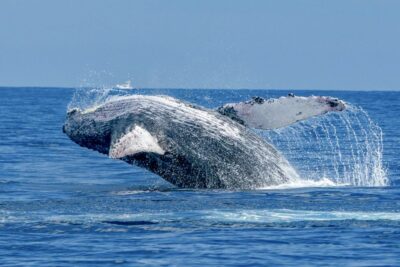
Whale Watching Cruise with Open Bar from Ka’anapali Beach
Read our review →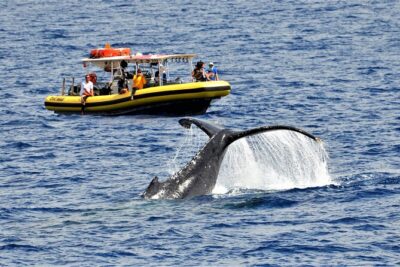
Whale Watching Maui: 2-Hour Small Group Raft Tour from Lahaina
Read our review →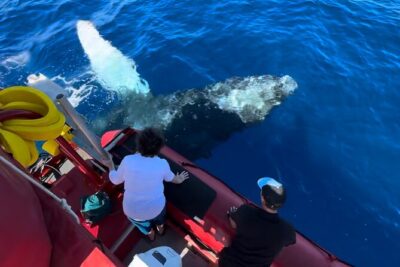
Browse the lists this tour appears in