
Reviewed · WORKSHOPS
Pottery Class: Make your own mug or Bowl on Maui
The best part of this Maui activity is the moment a lump of clay begins to look like a cup or bowl under your hands. David Kett breaks wheel work into three clear steps, so you do not need an artistic streak or prior pottery skill. I like that you get time to practice after the first guided pot, rather than rushing through a single attempt.
I also like the small eight-person limit, which keeps the class personal and gives you room to ask for help. The chance to keep a few finished pieces is another strong point. The main consideration is that your pottery will not be ready to take home that day. You will need to pay a separate firing and shipping fee, and travelers with long or fake nails may find the hands-on work harder.
In This Review
- Key points to know before booking
- Why this pottery class works for beginners
- Inside the two-hour session at Kett Pottery
- Making a mug or bowl with your own hands
- What happens to your finished pottery
- A small group makes a real difference
- The Makawao setting and meeting point
- Who will enjoy this activity most
- Practical value and final costs
- Should you book the Kett Pottery class?
- FAQ
- Where does the pottery class take place?
- How long does the class last?
- How many people can join the class?
- Do I need pottery or artistic experience?
- What will I learn on the pottery wheel?
- How many pots can I make?
- Can I take my pottery home the same day?
- Can the pottery be shipped internationally?
- What is the cancellation policy?
Key points to know before booking
- Learn the wheel in three stages: Center the clay, open the form, then pull up the walls.
- Make one to three pieces: After your first pot, you get time to practice and experiment.
- Work with David Kett: His teaching uses clear explanations, useful comparisons, and steady encouragement.
- Keep a handmade souvenir: David can glaze and fire the pieces you choose, then ship them domestically or internationally.
- Enjoy a small class: The maximum is eight people, making it easier to get individual help.
- Plan for a two-hour session: The activity begins and ends at Kett Pottery in Makawao.
Why this pottery class works for beginners
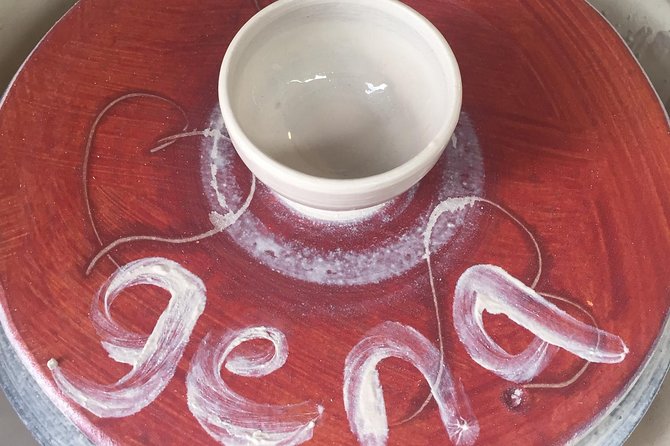
Pottery on a wheel looks simple until you try to keep spinning clay under control. That is exactly why the class structure matters. David does not ask you to guess your way through the process. He explains the work in three stages and demonstrates each one before you try it.
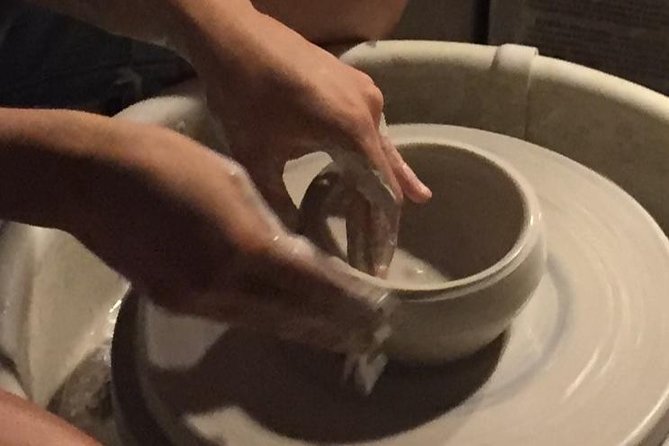
First comes centering. You press and guide the clay until it spins evenly in the middle of the wheel. This is the foundation of the whole pot. If the clay wobbles at this stage, the walls will be harder to shape later.
Next comes opening. You form the inside and establish the bottom of your vessel. It is a small step, but it changes the clay from a solid mound into something with a usable interior.
Finally, you begin pulling, drawing the clay upward to make the walls. This is the part most people picture when they think of pottery. Your hands gradually turn the low shape into a mug, bowl, or another simple vessel.
I like this order because it gives you a clear task at each point. You are not told simply to make a pot. You are shown how one action leads to the next. That makes the class a good fit for families, couples, solo visitors, and anyone who wants a creative activity without needing to call themselves artistic.
More hands-on sessions around Maui:
- Maui: Two Hour Beginner Group Surf Lesson in Kihei
★ 5.0 · 950 reviews - Outrageous Surf ScHool Lesson on Lahaina Side
★ 4.5 · 547 reviews - Group Surf Lesson at Kalama Beach in Kihei
★ 5.0 · 264 reviews
Inside the two-hour session at Kett Pottery
The activity starts at Kett Pottery, at 3660 Baldwin Ave in Makawao. You meet there and return to the same point when the class ends. The listed duration is about two hours, enough time to learn the basics and make several attempts.
The class begins with an explanation and demonstration of throwing clay on the wheel. The first pot is your guided introduction. Expect to concentrate on hand position, pressure, speed, and the feel of the clay as it moves. These are physical skills, so watching the demonstration first gives you a useful picture before your own hands get involved.
David’s teaching style is a major part of the appeal. He is described as friendly and encouraging, with a knack for turning wheel techniques into manageable steps. His explanations include interesting analogies, which can help when the movement is difficult to describe in plain technical terms.
Once you finish the first pot, the class opens up. You have time to play, repeat the process, and practice on your own. Most people make between one and three pots. That range is useful to keep in mind. Your first piece may be the most meaningful because it shows your starting point, while a later bowl or cup may have a more even shape.
You should not expect every piece to look like a shop display. Handmade pottery has fingerprints, uneven edges, and small surprises. That is part of the point. The activity gives you a direct feel for how a useful object is made, not a quick craft project where everyone produces the same result.
Making a mug or bowl with your own hands
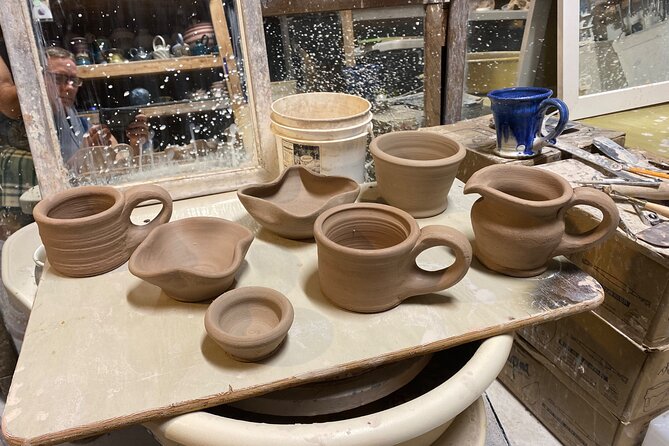
A mug and a bowl demand slightly different shapes, but the class centers on the same basic wheel work. You learn how to create a bottom, build walls, and control the opening. The form develops through repeated pressure and small adjustments rather than one dramatic move.
The appeal is tactile. You feel the clay respond as the wheel spins. Too much pressure can change the wall quickly. Too little may not shape it at all. You begin to understand why pottery takes practice, even when the first lesson is relaxed and beginner-friendly.
I would approach the class with a simple goal: make something functional, not perfect. A slightly wonky bowl can still be a fine reminder of your time on Maui. Trying to force a precise design may make the process less enjoyable, especially during your first attempt.
The class also gives you a chance to make more than one item. If your first pot collapses or comes out in a shape you did not plan, you are not finished. You can use the remaining time to try again. That second attempt often feels less intimidating because you already know what centering, opening, and pulling require.
A practical note from the class feedback is worth taking seriously: fake or long nails can make pottery harder. Your fingers need to work close to the clay, and nails can interfere with shaping the inside and outside walls. This does not necessarily prevent participation, but it may make some movements less comfortable.
What happens to your finished pottery
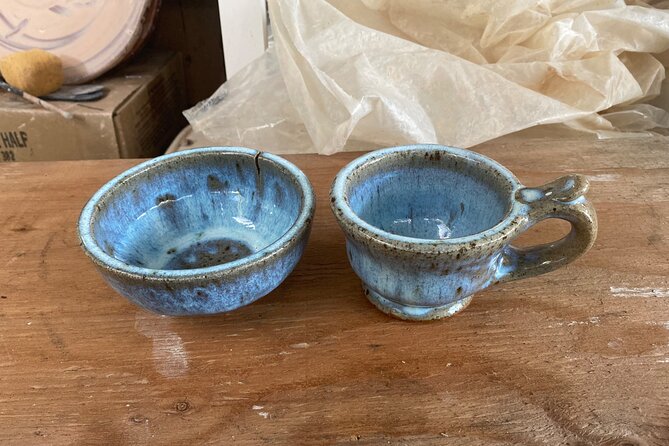
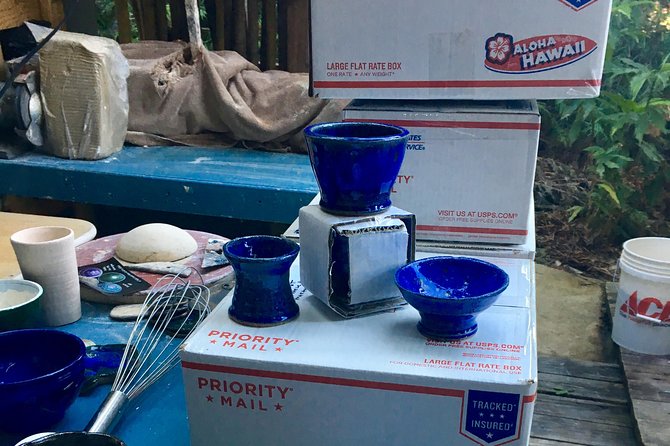
You do not carry a finished mug or bowl away at the end of the two hours. David can finish, glaze, and fire the pieces you select for a separate shipping and firing fee.
This is an important part of the value calculation. The class price alone is not the complete cost if you want a usable, finished souvenir. Ask about the current fee when booking or before you decide which pieces to keep. Since the amount is not provided here, I would not assume that every pot you make will be glazed and shipped automatically.
You can choose the pieces you want to keep, which is helpful if you make several pots. You may prefer your first attempt for sentimental reasons, or you may select the most balanced form from your later practice. The choice lets you control the final cost and the number of objects shipped.
David can send the work within the United States or internationally. That makes the class practical for people who are not traveling home nearby. It also means you do not have to worry about packing fragile, unfinished pottery in your luggage.
The timing for glazing, firing, and delivery is not specified, so you should ask about the expected schedule. The important point is that the shipping option allows your handmade pieces to reach you after the Maui portion of your trip is over.
Same island, a completely different kind of day:
- Maui Pineapple Farm Tour in Haliimaile
★ 5.0 · 2,855 reviews - Small-Group Road to Hana Adventure Tour with Pickup & Lunch
★ 5.0 · 2,637 reviews - Maui Eco-Raft Tour: Eye-Level Whale or Dolphin Watching – Lahaina
★ 5.0 · 2,482 reviews - Maui Snorkeling Adventure to Molokini and Turtle Town
★ 4.5 · 2,221 reviews
A small group makes a real difference
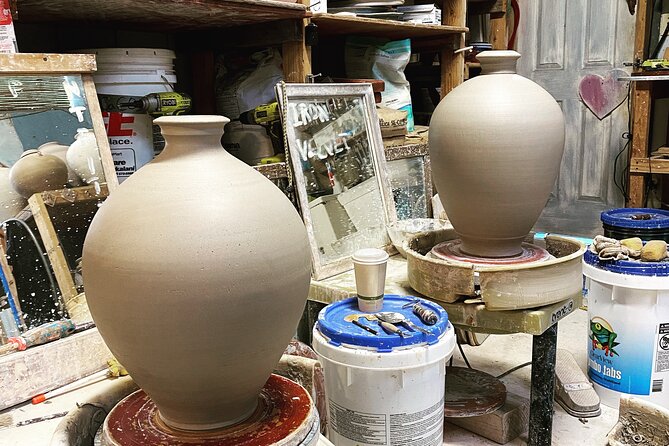
The maximum group size is eight people. That is small enough to make questions easier and instruction more direct than in a large workshop. Wheel work can go wrong in a few seconds, so having a teacher available matters.
A small class also changes the mood. You have room to focus on your own clay without feeling like part of a crowd. At the same time, you are not working entirely alone. The setup suits people who want personal guidance but still enjoy a shared activity.
This arrangement is especially useful for families. Children and adults can take part, and the process offers a break from sightseeing that does not depend on sitting quietly or looking at displays. The class is listed as family-friendly, and most people can participate.
Service animals are allowed. The experience is offered in English, and confirmation is provided when you book. Those details are simple, but they help you decide if the activity fits your group.
The Makawao setting and meeting point
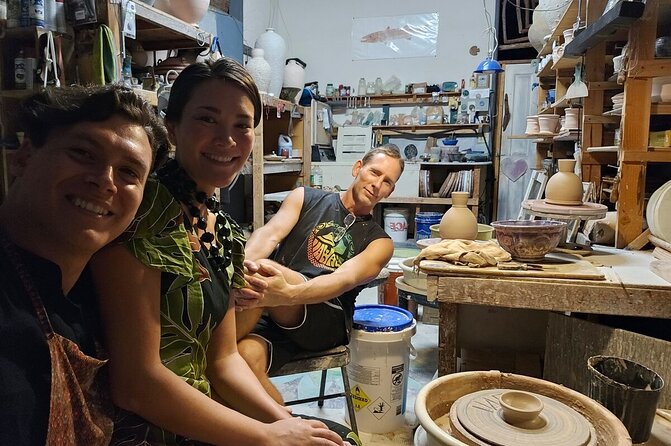
The class takes place in Makawao at Kett Pottery. The address is 3660 Baldwin Ave, Makawao, Hawaii 96768. You are responsible for reaching the meeting point, since transportation from another Maui location is not included in the information provided.
Because the class begins and ends at the studio, planning is straightforward once you arrive. Allow yourself enough time to reach the address before the scheduled start. A two-hour activity can feel rushed if you are trying to arrive at the last minute.
The meeting point also keeps the focus on the craft. This is not a pottery demonstration added to a larger sightseeing route. You spend the session at the studio, learning the wheel and working with clay. If you want a creative break from beaches and outdoor activities, that change of pace is the main attraction.
The class requires good weather. If poor weather causes a cancellation, you will be offered another date or a full refund. That policy is useful on Maui, where weather can affect plans, but you should still keep your schedule flexible if conditions look uncertain.
Who will enjoy this activity most
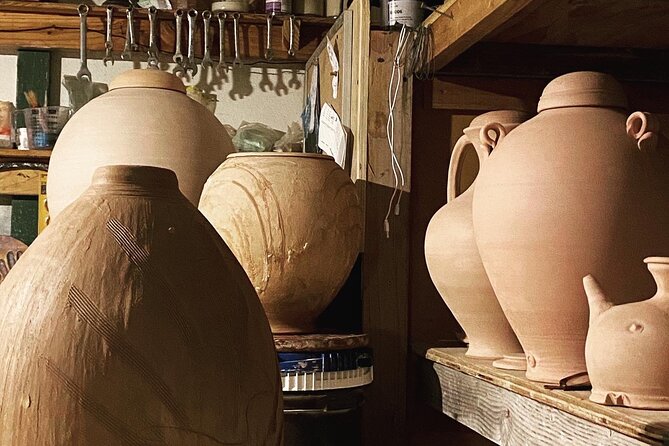
I would recommend this class to you if you want a hands-on souvenir rather than another purchased item. A finished bowl or mug has a stronger personal connection than a standard gift-shop keepsake, especially when you remember the awkward first attempt and the later piece that finally worked.
It also suits creative beginners. You do not need to draw, sculpt, or work with clay before. The teaching method starts with basic wheel control and gives you repeated chances to improve.
Families may find the class appealing because it is active and practical. Each person can work toward a usable object, and the small class size should make it easier to get help. The activity is also a good choice for a rainy-weather plan, provided the class itself is still operating and the weather requirement is met.
Couples and friends can use it as a shared project. You may end up with very different results from the same instruction, which makes the finished pieces more personal. Solo visitors can also take part, since the class is designed for individual practice after the opening demonstration.
You may want to skip it if you need a finished souvenir immediately, dislike messy handwork, or have limited time for a class with a separate finishing and shipping process. It is also less suitable if you are looking for a polished pottery lesson with advanced technical instruction. This session is aimed at accessible first steps.
Practical value and final costs
The value here comes from three things: instruction, practice time, and the option to keep finished work. You are not paying only for a short demonstration. You receive a guided introduction, time to make several pieces, and help from an instructor who focuses on making the wheel understandable.
The separate firing and shipping fee needs to be part of your budget. Since you can select which pots to keep, you have some control over that cost. Ask for the current details before you commit to multiple pieces.
The two-hour length is also useful. It is long enough to get past the first explanation and try more than once, but short enough to fit into a day of Maui plans. The small group limit adds value because your time is spent working rather than waiting for a large group to catch up.
Cancellation is free if you cancel at least 24 hours before the start time. A cancellation inside that window is not refunded, and late changes are not accepted. The cut-off follows local time. Keep those rules in mind before fixing the class into a tightly packed day.
Should you book the Kett Pottery class?
Book this class if you want a relaxed, personal activity where the souvenir is something you help create. David Kett’s step-by-step instruction, the maximum group size of eight, and the chance to make one to three pots give beginners a fair shot at producing something worth keeping.
Go in with modest expectations. You are learning a demanding skill in about two hours, not completing a professional pottery course. Bring patience, consider your nail length, and budget separately for glazing, firing, and shipping.
For a family, creative couple, or anyone tired of collecting ordinary souvenirs, this is a strong Maui choice. If you need instant results or prefer activities with no extra finishing cost, choose something simpler. Otherwise, the chance to turn spinning clay into a personal mug or bowl makes this class worth considering.
FAQ
Where does the pottery class take place?
The class takes place at Kett Pottery, located at 3660 Baldwin Ave, Makawao, HI 96768, USA.
How long does the class last?
The activity lasts approximately two hours.
How many people can join the class?
The maximum group size is eight people.
Do I need pottery or artistic experience?
No. The class is designed for beginners, and you do not need to be artistic to take part.
What will I learn on the pottery wheel?
David teaches the process in three phases: centering the clay, opening the form to create the bottom, and pulling the clay to make the walls.
How many pots can I make?
You will first complete a guided pot, then have time to practice. People make an average of one to three pots during the class.
Can I take my pottery home the same day?
No. David can finish, glaze, and fire the pieces you choose, then ship them to you for a separate firing and shipping fee.
Can the pottery be shipped internationally?
Yes. Domestic and international shipping are available, depending on where you live.
What is the cancellation policy?
You can cancel at least 24 hours before the start time for a full refund. Cancellations or changes made less than 24 hours before the start time are not accepted for a refund. If poor weather cancels the class, you will be offered another date or a full refund.
Just added around Maui
- Lahaina: Group Surf Lessons for Beginners★ 5.0 · 3 reviews
- Midmorning Whale Watch from Lahaina Harbor★ 3.5 · 3 reviews
- Clear Kayak Sunset and Glow Tour in Maui★ 3.5 · 3 reviews
- Professional Photographer in Maui★ 4.5 · 3 reviews
- The Ultimate Road to Hana Slingshot Adventure from Kihei Maui★ 5.0 · 3 reviews
- Private Airport Arrivals Rides to Hotel★ 5.0 · 3 reviews
- Brewery and Beach Cruise in a Vintage VW Bus★ 3.5 · 3 reviews
- Lahaina: Private Sunset Sailing Trip & West Maui Mountains★ 5.0 · 3 reviews
Workshops, compared.






Maui Scuba Diving Introductory Lesson from Lahaina
Read our review →
Browse the lists this tour appears in