
Reviewed · SCUBA DIVING
Scuba Diving in Maui with No Experience Needed
The best part of this beginner scuba experience is its personal scale. You enter the West Maui ocean from shore, learn the essential skills step by step, and then explore a coral reef with an instructor close by. No certification or past scuba experience is needed, and instructors Sarah, Deborah, and Ted are known for calm explanations and steady support.
I like the small maximum group of four, which gives you room to ask questions and pause if breathing underwater feels strange. I also like the chance to see Hawaiian green turtles, eels, octopus, reef fish, and coral without joining a large boat trip. The main consideration is physical: you must swim, handle heavy equipment, and feel reasonably at ease in the ocean.
In This Review
- Key points to know before you book
- Why this Maui experience works for first-time scuba
- The meeting point at 130 Kupuohi Street
- Learning the basics before entering the ocean
- Walking into the reef from shore
- Exploring West Maui at about 25 feet
- What the small group changes
- The value of $199 for two hours
- Health, altitude, and other rules that matter
- Who should book this underwater experience
- Is this Maui activity worth booking?
- FAQ
- Do I need prior scuba experience?
- Where does the activity begin and end?
- Is this a boat trip?
- How long does the experience last?
- How many people can join the group?
- What equipment is included?
- What marine life might I see?
- Do I need to be physically fit?
- Can I visit Haleakala after the activity?
Key points to know before you book
- Shore entry from West Maui: You walk into the water from the beach rather than boarding a boat.
- Built for first-timers: PADI-certified instructors teach the basic skills before taking you farther from shore.
- Small groups matter: The group is capped at four people, allowing close supervision and more patient coaching.
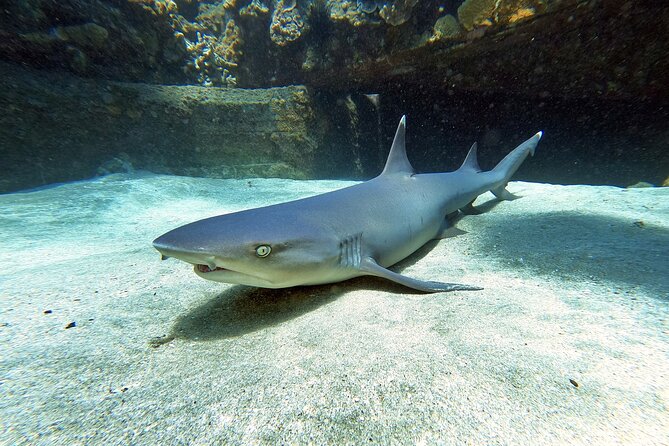
- Marine life can be excellent: Green turtles, moray eels, eagle rays, octopus, nudibranchs, reef fish, and coral are possible sightings.
- The underwater portion may reach 25 feet: You can explore at a modest depth, with deeper water optional according to the experience described by participants.
- Plan around altitude rules: Stay below 1,000 feet for 12 hours after the activity, which affects Haleakala, Upcountry Maui, helicopter tours, ziplining, and some hikes.
Why this Maui experience works for first-time scuba
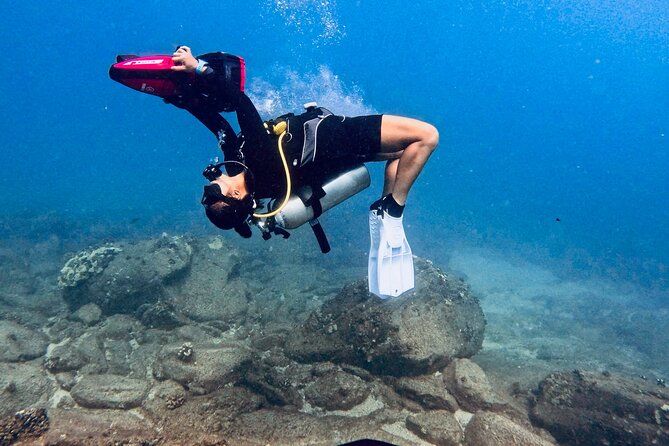
Snorkeling lets you look down into the sea. Scuba lets you remain below the surface and move slowly through the reef, breathing from a tank while an instructor keeps watch. That difference can feel exciting, but it can also feel odd during the first few minutes.
This activity is designed around that adjustment. You begin with an explanation of the equipment and basic underwater skills. The instructors then make sure you are comfortable before moving into deeper water. That gradual pace is especially useful if you are nervous about putting your face underwater or breathing through a regulator.
Sarah is frequently singled out for her humor, patience, and reassuring manner. Deborah is also praised for careful instruction and a gentle approach, while Ted is described as friendly and clear in his explanations. The operator may assign any of these instructors, so you should not assume a particular guide is guaranteed unless confirmed directly.
The small group size changes the feel of the outing. With no more than four participants, you are not one person in a long line following a guide. The instructor can check your comfort, watch your technique, and give more individual help. That is a real advantage for a first attempt.
More dive trips off Maui:
- 2 Tank Lanai Cathedral Scuba Dive Via Boat for Certified Divers
★ 5.0 · 548 reviews - Beginner Scuba Dive in Lahaina: Swimming Required
★ 5.0 · 219 reviews - Discover Scuba Diving Class from Lahaina
★ 5.0 · 185 reviews
The meeting point at 130 Kupuohi Street
You meet at Aloha Maui Diving, 130 Kupuohi St, D4, Lahaina. The activity ends at the same location. The meeting point is near public transportation, but the supplied information does not specify transportation arrangements from hotels, so you should plan your own way there.
Allow time to find the correct unit and get ready. One family had trouble locating the meeting spot and received helpful directions after calling. That suggests it is wise to save the operator’s contact information and avoid arriving at the last minute.
The activity lasts about two hours. That includes preparation, instruction, equipment use, entering the ocean, and the underwater portion. It is not a full-day boat outing, so you can fit it into a larger Maui schedule. Still, I would avoid placing it immediately before another strenuous activity. Getting comfortable in scuba gear and walking into the ocean takes more effort than the short duration might suggest.
Learning the basics before entering the ocean
The opening lesson is the most important part of the experience. Your instructor explains how the mask, regulator, buoyancy equipment, tank, and other gear work. You also learn the basic skills needed to communicate and manage common underwater situations.
The teaching style appears to be hands-on and reassuring rather than rushed. Several participants describe thorough explanations before entering the water, followed by repeated comfort checks once underwater. That is exactly what you want from an introductory session. A good instructor does not simply tell you what to do, but watches how you respond and adjusts the pace.
You should expect to perform the required skills yourself. This is not a ride where you can remain passive while a guide handles everything. If you become too uncomfortable, cannot swim, or cannot complete the required skills, you might not be able to continue, and the stated policy provides no refund in that situation.
For that reason, be honest about your comfort level before booking. If you are uneasy in open water, start by considering a calmer snorkeling outing instead. If you are simply curious but nervous, the patient instruction and small group may make this a good first step.
Walking into the reef from shore
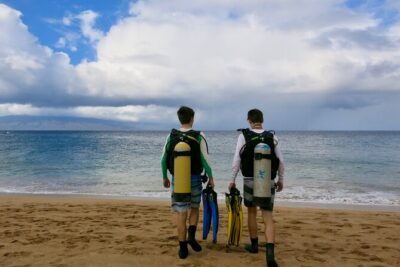
This is a shore-based activity, not a boat trip. You carry your equipment to the water and enter from the beach. That keeps the outing intimate and avoids boat travel, but it also means you must manage the weight of the gear while moving in and out of the ocean.
The information gives two equipment limits: one section says you must carry at least 50 pounds, while another says shore entry requires handling a minimum of 40 pounds. Because the higher figure appears in the main requirements, I would use 50 pounds as the safer standard when judging your fitness.
The shore entry is one of the experience’s more distinctive features. You begin in familiar surroundings, with the beach nearby, then gradually move into the underwater world. For some first-timers, that feels less intimidating than jumping from a boat. For others, walking through waves in a full set of equipment may be the hardest part.
Wear practical beach clothing and bring whatever personal items you normally need for a water activity. The supplied details confirm that scuba equipment is included, but they do not list towels, meals, hotel transport, or personal clothing as inclusions.
Same island, a completely different kind of day:
- Maui Pineapple Farm Tour in Haliimaile
★ 5.0 · 2,855 reviews - Small-Group Road to Hana Adventure Tour with Pickup & Lunch
★ 5.0 · 2,637 reviews - Maui Eco-Raft Tour: Eye-Level Whale or Dolphin Watching – Lahaina
★ 5.0 · 2,482 reviews - Maui Snorkeling Adventure to Molokini and Turtle Town
★ 4.5 · 2,221 reviews
Exploring West Maui at about 25 feet
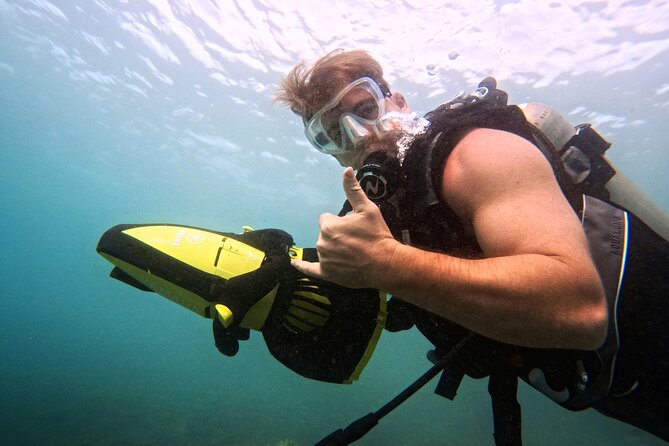
Once your skills are complete and you are comfortable, your instructor guides you across the coral reef. The underwater route explores shallower reef areas and may reach around 25 feet, based on the experience described by participants. You should not expect the depth or conditions of an advanced certified scuba trip.
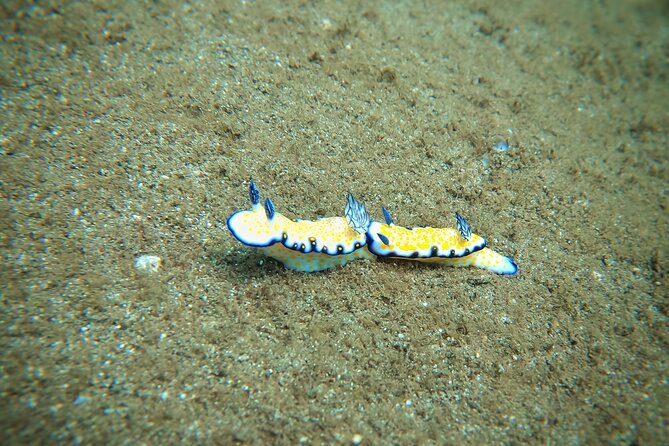
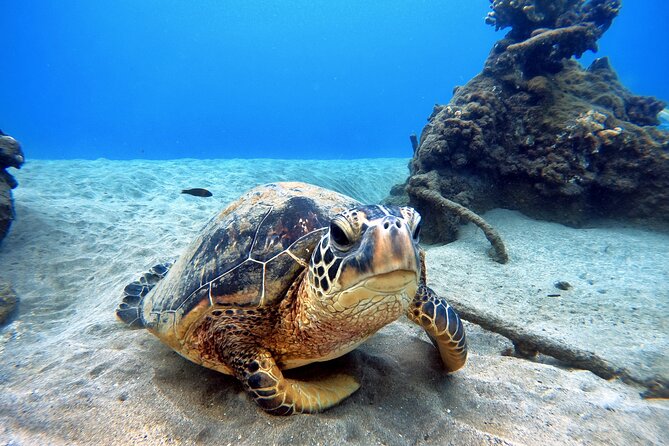
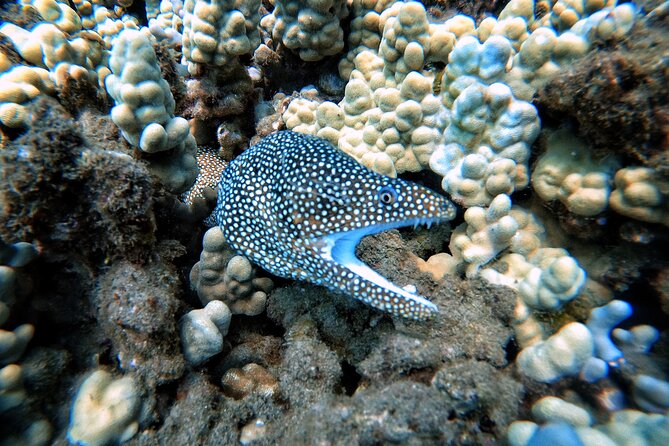
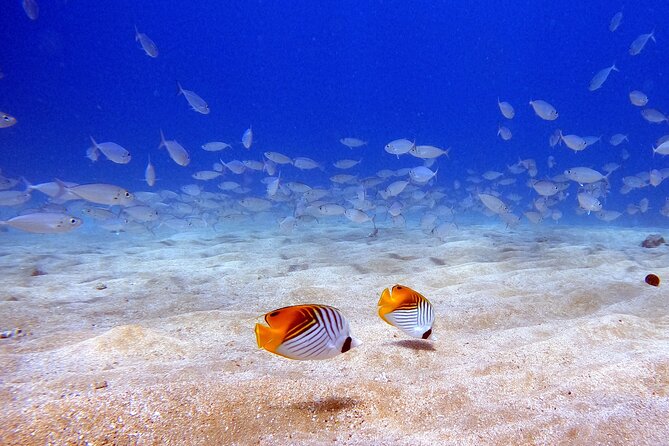
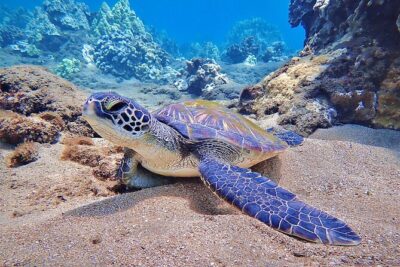
The reef is the main attraction. Possible sightings include Hawaiian green turtles, moray eels, eagle rays, octopus, nudibranchs, and many colorful reef fish. People have also described seeing pufferfish and trumpetfish. Wildlife is never guaranteed, but turtles and fish are a realistic reason to choose this outing over a standard beach swim.
Green turtles, called honu in Hawaiian, are especially associated with Maui’s nearshore waters. If one appears, give it space and let the instructor set the pace. The best encounter is usually the quiet one, when you watch the animal move naturally rather than chase it for a photograph.
The reef can also reward slow observation. An octopus may blend into coral, a moray eel may remain tucked into a crevice, and a nudibranch can be easy to miss unless you look closely. Your guide’s experience matters here. Instructors Sarah, Deborah, and Ted are described as actively pointing out marine life rather than simply leading the group forward.
This is where scuba differs from a crowded snorkeling excursion. You spend more time at the level of the reef, looking into holes and along the coral. The tradeoff is that you must first master the equipment and breathing technique.
What the small group changes
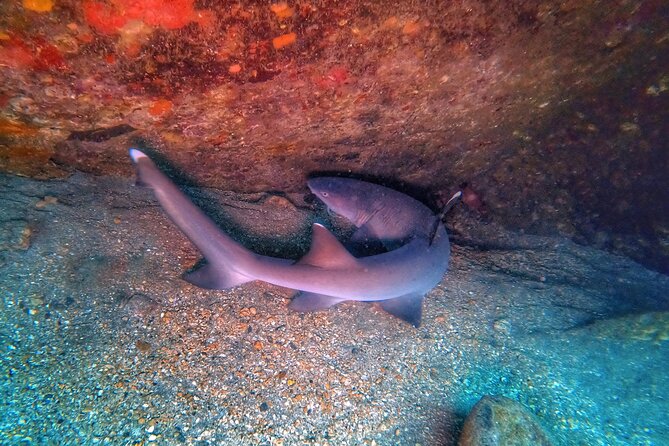
A maximum of four participants is one of the strongest reasons to consider this activity. Underwater communication is limited, especially for new scuba users. Smaller groups make it easier for the instructor to notice a nervous expression, a loose mask, a breathing problem, or a participant who simply wants to slow down.
It also creates a more relaxed social setting. Couples can learn together, families can introduce teenagers to scuba, and solo participants are not lost in a crowd. Families with children and teenagers have used the experience as an introduction, with some becoming interested in later PADI certification.
That does not mean the activity is effortless. You still need to swim and carry heavy equipment. The small group improves supervision, but it does not remove the need for physical ability or comfort in the ocean.
The operator states that participants must be fluent in English because instructors are not guaranteed to speak other languages. That is an important booking condition, not a minor footnote. You need to understand the safety briefing and respond to underwater instructions.
The value of $199 for two hours
At $199 per person, this is not the cheapest way to see Maui’s water. A simple beach snorkel costs less, and a longer boat excursion may offer more total time on the ocean. The comparison is not quite equal, though.
Your fee includes scuba equipment, instruction from PADI-certified professionals, a small group, and guided time on the reef. You are paying for an introduction to a specialized activity, not just access to a beach. If you have always wanted to try scuba but do not want to commit to a certification course, that makes the price easier to justify.
The value is strongest for someone who wants a personal first lesson. You receive closer attention than you usually get in a large group, and the instructor’s role is central from start to finish. The value is weaker if you already hold a scuba certification or mainly want a long day on the water. Certified divers may prefer a more advanced outing designed around established experience.
Photography may be available through the operator, but it is not listed among the included features. Treat it as a possible extra rather than part of the $199 price. If having underwater pictures matters to you, ask about current options before booking.
Health, altitude, and other rules that matter
You must complete an online medical waiver. If your answers require physician approval, you are responsible for obtaining a doctor’s clearance before the activity. Failure to obtain that clearance does not qualify for a refund under the stated conditions.
You also need to remain below 1,000 feet for 12 hours after scuba. This rules out popular Maui plans such as visiting the summit of Haleakala, heading to Upcountry towns including Kula and Makawao, taking a helicopter flight, paragliding, ziplining, and certain high-elevation hikes during that period.
This restriction can affect your itinerary more than the two-hour activity itself. If Haleakala is a priority, schedule it before the scuba session or on another day. Do not assume that a short, shallow experience makes the altitude rule irrelevant.
The activity requires good physical health and moderate fitness. You should be able to swim, enter and exit the water while carrying the required equipment, and complete the skills lesson. If you have health concerns, consult a physician before making plans.
Cancellation is free up to 24 hours before the start time. Within 24 hours, the payment is not refunded and changes are not accepted. Poor weather or failure to meet the minimum number of participants can lead to cancellation, in which case you are offered another date, another experience, or a full refund.
Who should book this underwater experience
I would choose this for:
- A first-time scuba participant who wants calm instruction
- Couples looking for something more personal than a large boat excursion
- Families with children or teenagers who can swim and follow directions
- Snorkelers curious about staying below the surface
- Solo visitors who value close attention from an instructor
- Anyone interested in seeing Maui’s reef at a slower pace
I would think twice if you dislike open water, cannot swim, have difficulty carrying 40 to 50 pounds, or cannot communicate fluently in English. It is also a poor fit if your Maui schedule depends on a Haleakala visit or another high-elevation activity within 12 hours afterward.
You should also understand that wildlife sightings are never promised. Turtles, octopus, eels, rays, and reef fish are possible, not guaranteed. The reef itself and the chance to learn a new skill should be the reason you book, with marine life as an excellent bonus.
Is this Maui activity worth booking?
Yes, if you want your first scuba experience to feel personal, carefully taught, and focused on a real nearshore reef. The strongest features are the four-person limit, patient instructors such as Sarah, Deborah, and Ted, included equipment, and the chance to see honu and other reef life at close range.
Book it only after checking the physical requirements and arranging your schedule around the 12-hour altitude restriction. If you can swim, carry the equipment, understand English instructions, and feel ready to try something new, $199 is a fair price for a guided first experience in Maui’s West Maui waters.
FAQ
Do I need prior scuba experience?
No. The activity is designed for beginners and does not require previous scuba experience or certification.
Where does the activity begin and end?
It begins at Aloha Maui Diving, 130 Kupuohi St D4, Lahaina, Hawaii 96761. It ends back at the same meeting point.
Is this a boat trip?
No. This is a shore-based activity. You enter and leave the water from the beach.
How long does the experience last?
The activity lasts approximately two hours.
How many people can join the group?
The maximum group size is four participants.
What equipment is included?
Use of scuba equipment is included in the price.
What marine life might I see?
Possible sightings include Hawaiian green turtles, moray eels, eagle rays, octopus, nudibranchs, colorful reef fish, pufferfish, and trumpetfish. Wildlife sightings are not guaranteed.
Do I need to be physically fit?
Yes. You must be able to swim, be in good physical health, complete the required skills, and carry the required equipment into and out of the water. The information gives a minimum equipment-handling range of 40 to 50 pounds, so plan for the higher figure.
Can I visit Haleakala after the activity?
No. Participants must remain below 1,000 feet for 12 hours after the activity. This also affects certain hikes, Upcountry towns, helicopter tours, paragliding, and ziplining.
Just added around Maui
- Lahaina: Group Surf Lessons for Beginners★ 5.0 · 3 reviews
- Midmorning Whale Watch from Lahaina Harbor★ 3.5 · 3 reviews
- Clear Kayak Sunset and Glow Tour in Maui★ 3.5 · 3 reviews
- Professional Photographer in Maui★ 4.5 · 3 reviews
- The Ultimate Road to Hana Slingshot Adventure from Kihei Maui★ 5.0 · 3 reviews
- Private Airport Arrivals Rides to Hotel★ 5.0 · 3 reviews
- Brewery and Beach Cruise in a Vintage VW Bus★ 3.5 · 3 reviews
- Maui: Luxury Catamaran Alii Kai Royal Sunset Dinner Cruise★ 5.0 · 3 reviews
Scuba Diving, compared.
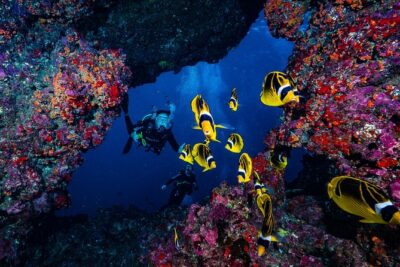
2 Tank Lanai Cathedral Scuba Dive Via Boat for Certified Divers
Read our review →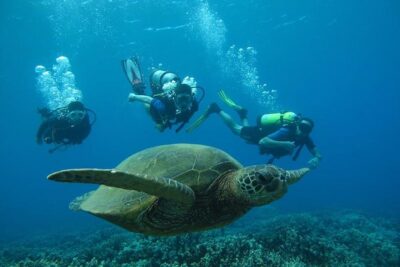
Beginner Scuba Dive in Lahaina: Swimming Required
Read our review →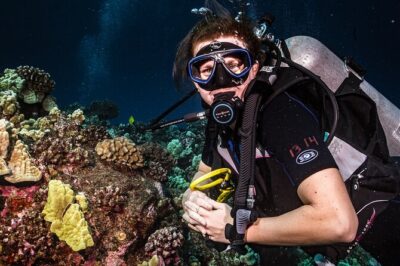
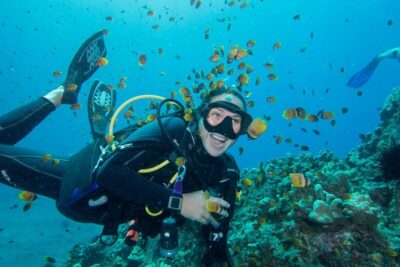
Maui Scuba Diving Introductory Lesson from Lahaina
Read our review →
VIP Aloha Nui Snorkel Adventure w/ optional SCUBA from Lahaina
Read our review →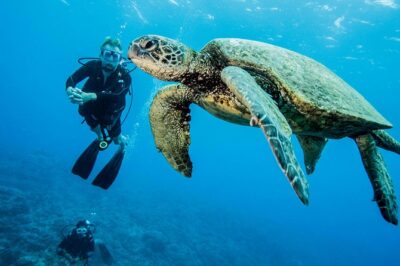
Private and Personalized Scuba Diving Adventures for All Experience Levels
Read our review →Browse the lists this tour appears in