
Reviewed · AUDIO TOURS
Self-Guided Audio Driving Tour in Road To Hana
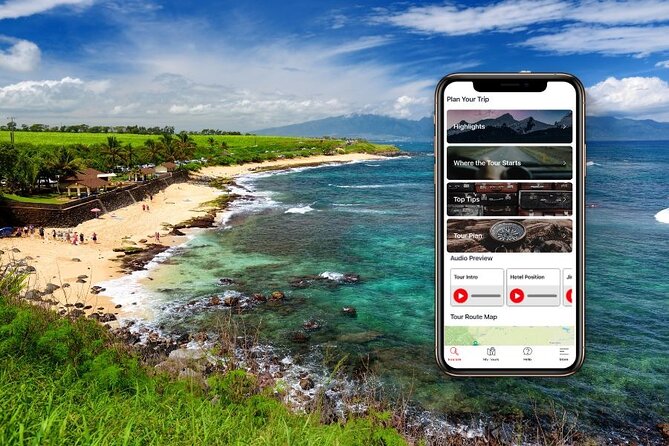
The best thing about this Road to Hana experience is that your car becomes a private tour vehicle for $19.99 per group of up to eight people. The GuideAlong app uses your phone’s GPS to play directions, stories, and stop-by-stop advice as you drive, even when cell service disappears.
I like two things in particular: you can skip stops or linger without holding up a group, and the narration adds useful Hawaiian history instead of simply pointing out pretty views. The main drawback is the setup. You must redeem a voucher, download the app, and download the tour before driving, and that process may feel fiddly if you are not comfortable with phone apps.
In This Review
- Key points before you drive
- What this Road to Hana audio tour actually does
- Start early and respect the road
- Twin Falls is an easy first outing
- Ho‘okipa is for watching, not casual swimming
- Ke‘anae Arboretum offers color without a fee
- Ke‘anae Point shows the coast at its roughest
- Rainbow Eucalyptus and lava tubes add variety
- Koki Beach and Hamoa Beach make a good leg stretch
- Waiʻānapanapa requires a reservation
- Pipiwai Trail is the biggest commitment
- The $19.99 price is hard to beat
- Setup is simple if you prepare at home
- Who will get the most from this tour
- Should you book the Road to Hana audio tour?
- FAQ
- How long does the Road to Hana audio tour take?
- Does the audio tour work without cell service?
- Does one purchase cover everyone in the car?
- Is Waiʻānapanapa State Park included?
- Do I need a pass for the Pipiwai Trail?
- Can I start the tour at any point along the route?
Key points before you drive
- GPS narration follows your position: Stories and directions play automatically as you approach points of interest.
- One purchase covers the whole car: The $19.99 price is excellent value for a couple, family, or full group.
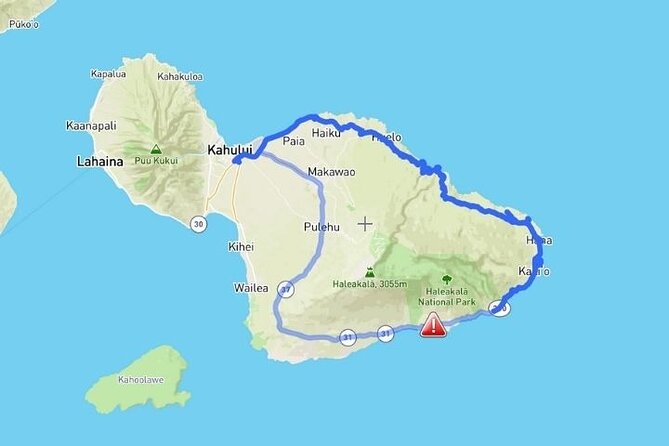
- Plan for a full day: The route can take 8 to 16 hours, especially if you include Twin Falls, Waiʻānapanapa, and the Pipiwai Trail.
- Waiʻānapanapa requires advance planning: Entry to the black-sand beach park requires a timed reservation.
- Pipiwai Trail needs time and a park pass: The hike takes at least two hours for most people, and Haleakalā National Park entry is extra.
- Download everything first: The audio works offline, but your phone must be charged and the tour must already be stored in the app.
What this Road to Hana audio tour actually does
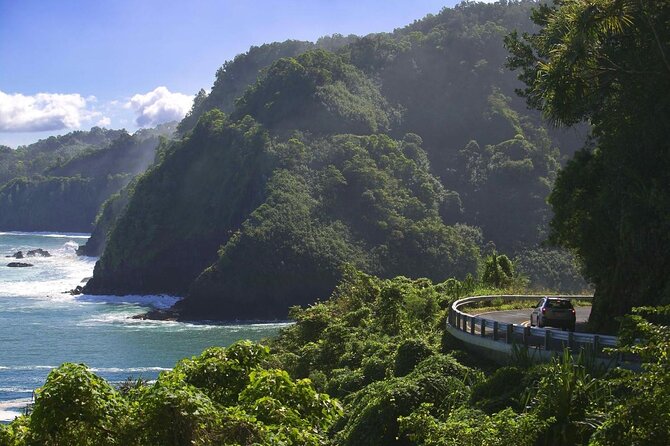
The Road to Hana is not a simple point-to-point drive. It is a long, twisting route with waterfalls, beaches, food stands, tropical plants, old taro terraces, and frequent places where you may wonder if you should pull over.
GuideAlong helps with that uncertainty. Commentary begins according to your location, so you do not need to keep checking a map or guess which turn leads to a worthwhile stop. The app provides about 140 points along the route, including major sights and smaller places you might otherwise pass.
The narration also works in both directions. On the way out, you get driving instructions and information about what is ahead. On the return trip, the commentary can shift to Hawaiian history and other stories, which helps keep the drive from feeling repetitive.
This is not a chauffeur or a live guide. You still drive the narrow road, choose your stops, pay entrance fees, and manage your own day. That independence is the whole point.
More ways to drive the Road to Hana:
- Small-Group Road to Hana Adventure Tour with Pickup & Lunch
★ 5.0 · 2,637 reviews - Road to Hana Adventure Maui Tour with Lunch
★ 5.0 · 1,832 reviews - Maui: Famous Road to Hana Waterfalls and Lunch by Mercedes Van
★ 5.0 · 1,129 reviews
Start early and respect the road

The route is open around the clock, but that does not mean you should begin at midnight. An 8 a.m. departure is a sensible latest start if you hope to see several sights and return before dark. The day can easily stretch to 10 or 12 hours, and the final drive is far less enjoyable when you are tired.
Expect many curves, one-lane bridges, and sections where traffic moves slowly. Pull over when safe to let local drivers pass. Do not stop in the middle of the road for a photograph, even when the view seems to demand it.
The app can help you anticipate turns and stops, but it cannot replace careful driving. Keep your attention on the road, let the passenger handle the phone, and avoid trying to adjust the itinerary while moving.
Twin Falls is an easy first outing
Twin Falls is often the first place where you will want to leave the car and walk. The trail offers waterfalls, stream crossings, and bamboo forest, with choices about how far you go. The full trail is about 1.5 miles, but you do not have to complete every section.
Mud is common, so shoes with a good grip matter. This is a poor place for flimsy sandals unless you are content with wet, slippery feet. The farmstand is useful for a tropical fruit smoothie and makes Twin Falls a pleasant morning stop.
The drawback is that conditions change. Water levels, mud, and access can affect what you see, so treat the audio commentary as guidance rather than a promise that every stop will look the same.
Ho‘okipa is for watching, not casual swimming
Ho‘okipa gives you a fine early look at Maui’s powerful coast. Constant wind and currents make it unsuitable for swimming, but they create excellent conditions for watching world-class windsurfers.
Sea turtles often rest near the far right side of the beach. Give them plenty of space and never touch them. The area also has washrooms, showers, and picnic spots, which can make it a handy break after the first part of the drive.
The audio guide is especially useful here because it tells you what to watch for without requiring you to spend a long time wandering. If the surf is rough or the wind is strong, enjoy the view and move on.
More audio tours of Maui:
- Shaka Guide Maui “Classic” Road to Hana Audio Driving Tour
★ 4.5 · 210 reviews - Ultimate Self-Driving Audio Tour of Road to Hana, Maui
★ 4.5 · 145 reviews - Maui Adventure Bundle: 6 Epic Audio Driving Tours, Including Road to Hana
★ 4.5 · 81 reviews - Maui “Loop” Road To Hana Audio Driving Tour
★ 4.5 · 39 reviews
Ke‘anae Arboretum offers color without a fee
The Ke‘anae Arboretum is one of the route’s easiest stops. You can see golden-stemmed bamboo, ginger, papaya, hibiscus, and the famous rainbow eucalyptus trees in less than 30 minutes, though an hour allows time for photographs and a slower walk.
The eucalyptus bark looks painted, with bands of color that change as the tree sheds its outer layer. It is one of those stops that rewards a small amount of time without demanding a full hike.
Continue along the path beside Pi‘ina‘au Stream if you want more. The trail reaches terraces made by ancient Hawaiians for taro cultivation, offering a useful connection between the plants you see and the island’s agricultural past.
Admission is free, which makes this a strong stop for anyone trying to keep the day affordable.
Ke‘anae Point shows the coast at its roughest

Ke‘anae Point sits on a flat peninsula formed by lava flowing from Haleakalā. The land created a sheltered area suitable for taro farming, while the outer coast receives the full force of the ocean.
You can look for the small church built from coral and lava rock more than 150 years ago. Along the shore, waves strike sharp rock formations, and coconuts may be found near the water.
This is a short stop, around 20 minutes, but it gives you a different view of the Road to Hana. You are not simply looking at a waterfall or beach. You are seeing how volcanic rock, ocean power, and farming shaped this part of Maui.
Take care near the edge. The ocean here is for looking, not casual exploration on slippery rocks.
Rainbow Eucalyptus and lava tubes add variety
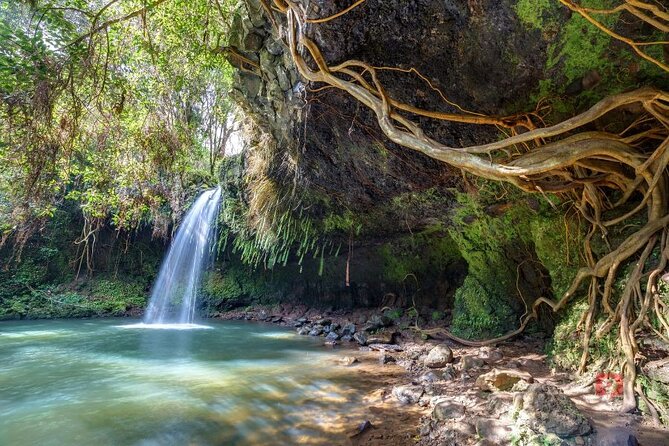
The Hana Lava Tube gives you a chance to enter Maui’s most accessible lava tube. You can remain near the entrance if enclosed spaces make you uneasy, or continue farther inside if you enjoy exploring caves.
Allow around 30 minutes, with admission extra. This stop works well when you need a break from viewpoints and beaches, but it is not essential for anyone who dislikes dark, enclosed places.
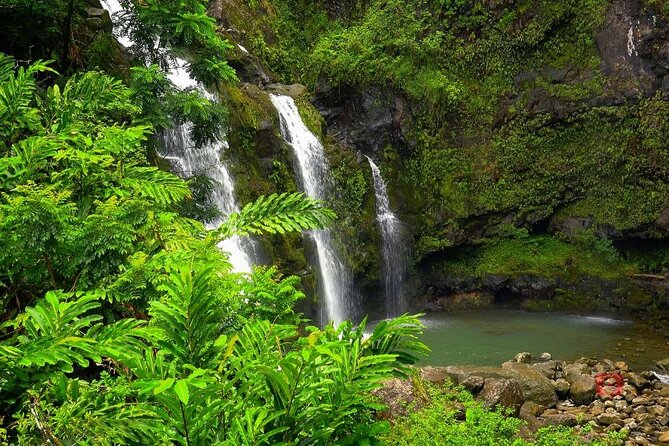
Upper Waikani Falls, also called the Three Bears Falls, is one of the route’s most recognizable waterfalls. After heavy rain, the water may join into one thick cascade. In drier conditions, three separate streams can appear, creating the large, medium, and small bears.
The view is often brief because roadside parking and traffic can make lingering awkward. Listen for the guidance, slow down, and take photographs only from a safe place.
Koki Beach and Hamoa Beach make a good leg stretch
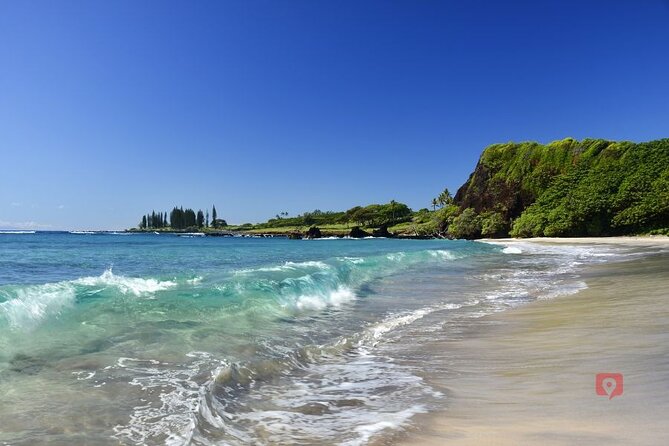
Koki Beach is connected with stories about Pele, the goddess of volcanoes, and the demigod Maui. From the turnoff, you can also see Alau Island, an unusual offshore cinder cone about a quarter mile from the beach.
The point is not only the photograph. The audio commentary gives the scenery cultural context, helping you understand why a small island or volcanic outcrop may carry meaning beyond its appearance.
Hamoa Beach is a crescent of sand and a useful place to pause. You can cool off, sit beneath a tree, or use the public bathrooms and showers. There is no lifeguard, so keep a close eye on children and swim only when conditions are calm.
These beaches are tempting places to linger, but every extra half hour affects the rest of the day. If Waiʻānapanapa or Pipiwai Trail is on your plan, use the app’s suggested timing rather than spending the morning at every beach.
Waiʻānapanapa requires a reservation
Waiʻānapanapa State Park is one of the major stops on the route. The black-sand beach is the headline attraction, but the park also has volcanic coastal formations, a sea arch, and a blowhole.
The site is linked with Hawaiian legend, so this is one place where the historical and cultural commentary adds real value. Give yourself about two hours if you want to walk beyond the beach and inspect the coast.
You must arrange timed entry in advance. The national park is not a casual pull-over stop, and having the audio tour does not provide admission. Check your reservation before setting out and build your driving schedule around the entry time.
This requirement is the most important planning detail in the entire experience. If you arrive without the required reservation, the black-sand beach may remain outside your itinerary.
Pipiwai Trail is the biggest commitment
At the far end of the drive, near the Kīpahulu area of Haleakalā National Park, the Pipiwai Trail offers the route’s strongest hike. The full trail is about four miles and climbs 650 feet, making it moderate but potentially strenuous in hot conditions.
The route includes bamboo forest and views of Makahiku Falls. Waimoku Falls is the farthest point and the main reward for continuing. If the hike feels too difficult, Makahiku Falls is a reasonable place to turn back.
Plan on at least two hours for the hike, depending on your fitness and how often you stop. The suggested timing says to reach the trail by about 2 p.m. if you want enough daylight for the walk and the return drive, but an earlier arrival is more comfortable.
You also need a Haleakalā National Park pass or must purchase one at the entrance. The audio tour does not include that fee. The itinerary notes only a few minutes for the stop, but that appears to describe a location marker, not the actual hiking time. Treat Pipiwai as a major outing, not a quick photo stop.
The $19.99 price is hard to beat
At $19.99 per vehicle group of up to eight, this is one of the cheaper ways to add structure to a Road to Hana day. A couple pays less than the cost of many guided excursions, and a full family can split the cost among everyone in the car.
The value comes from three things:
- You receive directions and commentary at many points along the route.
- You can use suggested half-day, full-day, or multi-day plans.
- The purchase has no expiry and includes free updates.
The price does not cover park passes, timed reservations, lava tube admission, or other stop-specific costs. Those extras are normal for the area, but budget for them separately.
The audio format also lets you stop for food, photographs, or a swim without asking a group to wait. That flexibility is worth more than a low price alone.
Setup is simple if you prepare at home
After booking, you receive instructions by email and text. Search for the message titled Download Audio Tour, sign in with your preferred Apple or Google account, and redeem the voucher code before you leave.
Then download the free GuideAlong app and download the Road to Hana tour under My Tours. Do this over Wi-Fi or reliable data. Once stored on your phone, the audio does not require internet or cell service.
Bring a USB or car charger. The phone’s GPS still needs power, and a full day of navigation, audio, and photographs can drain a battery. Connect the phone to the car speaker if possible so everyone can hear the narration.
The one notable weakness is the redemption process. It is not always a quick payment-and-play experience, and a less tech-focused user may need time to understand the separate sign-in and voucher steps. Set it up before departure, not in a crowded parking area with the day already ticking away.
Who will get the most from this tour
I would choose this for independent drivers who want context but do not want a bus schedule. It is especially useful for couples, families, and groups sharing one rental car.
It also suits solo drivers, with one warning: do not operate the app while driving. Set it up first and let the GPS trigger the commentary.
The tour is less suitable if you want a live guide, hotel pickup, or someone else to handle the road. You remain responsible for parking, timing, reservations, trail choices, and safe driving.
The English narration includes humor, practical advice, cultural information, and suggestions for food stops such as banana bread. Music is not included during every pause, so you can play your own playlist between sections if you like.
Should you book the Road to Hana audio tour?
Book it if you plan to drive yourself and want more than a map. The precise GPS timing, offline operation, useful stop advice, and full-car pricing make it a strong buy for the cost of a casual meal.
I would be especially keen to use it on a first Road to Hana visit, when it is easy to miss a turn, overlook a short detour, or spend too long at an early stop. Start early, reserve Waiʻānapanapa ahead of time, allow several hours for Pipiwai Trail, and download the tour before leaving service.
Skip it if you already have a detailed plan, dislike audio narration, or prefer a live guide. For most self-guided drivers, though, this is a practical way to make a demanding road day feel more organized without taking away your freedom.
FAQ
How long does the Road to Hana audio tour take?
Plan for about 8 to 16 hours, depending on your route, stops, hikes, and pace. A full day is needed to include many of the listed sights.
Does the audio tour work without cell service?
Yes. Download the tour to the GuideAlong app before departure. The commentary uses your phone’s GPS and does not require internet or cell service after downloading.
Does one purchase cover everyone in the car?
Yes. The $19.99 purchase covers one group of up to eight people traveling in the same vehicle.
Is Waiʻānapanapa State Park included?
No. Entry is not included, and timed reservations are required in advance to enter the park.
Do I need a pass for the Pipiwai Trail?
Yes. Pipiwai Trail is inside Haleakalā National Park, so you must show a National Park Service pass or purchase one on arrival.
Can I start the tour at any point along the route?
Yes. Commentary plays according to your location, so you can start and finish anywhere along the tour route and stop, resume, or skip sections as you wish.
More Self-Guided Tours in Maui
- Haleakala Sunrise Best Self-Guided Bike Tour
★ 4.5 · 745 reviews - Best Haleakala Downhill Self-Guided Bike Tour with Maui Sunriders
★ 5.0 · 496 reviews - Haleakala Express Self-Guided Bike Tour with Bike Maui
★ 4.5 · 271 reviews - Haleakala Summit Best Self-Guided Bike Tour with Bike Maui
★ 4.5 · 107 reviews
Just added around Maui
- Lahaina: Group Surf Lessons for Beginners★ 5.0 · 3 reviews
- Midmorning Whale Watch from Lahaina Harbor★ 3.5 · 3 reviews
- Clear Kayak Sunset and Glow Tour in Maui★ 3.5 · 3 reviews
- Professional Photographer in Maui★ 4.5 · 3 reviews
- The Ultimate Road to Hana Slingshot Adventure from Kihei Maui★ 5.0 · 3 reviews
- Private Airport Arrivals Rides to Hotel★ 5.0 · 3 reviews
- Brewery and Beach Cruise in a Vintage VW Bus★ 3.5 · 3 reviews
- Lahaina: Private Sunset Sailing Trip & West Maui Mountains★ 5.0 · 3 reviews
Audio Tours, compared.

Shaka Guide Maui “Classic” Road to Hana Audio Driving Tour
Read our review →
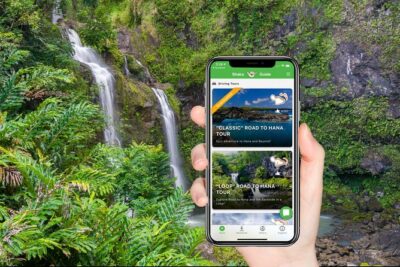
Maui Adventure Bundle: 6 Epic Audio Driving Tours, Including Road to Hana
Read our review →
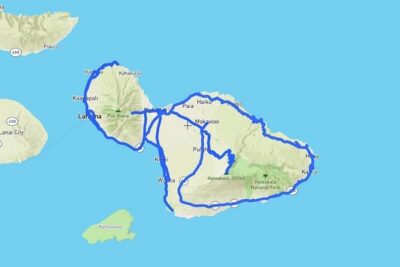


Browse the lists this tour appears in