
Reviewed · FARMS
Taste of Hawaii: A Maui Farm Tour
Maui’s farms tell a different story from its beaches. At La Kāhea Community Farm, you spend about 90 minutes tasting tropical fruit, learning how Polynesian crops shaped Hawaiian foodways, and seeing how a small community farm uses regenerative methods. The sugarcane juice is made by you, and friendly pigs may add a little farmyard comedy.
I like the hands-on tasting, especially the fresh fruit, sugarcane juice, and banana ice cream. I also like the clear sense of purpose behind the farm. Winsome, Anna, Emily, Jakke, Whit, and Jake bring the farming story to life with personal experience rather than a dry lecture.
The main consideration is size and setting. This is a young, working farm, not a manicured botanical garden. Parts may feel rough around the edges, and rain can limit the walking portion. Bring water, sun protection, and an open mind about what a real community farm looks like.
In This Review
- What makes this Maui farm tour worth your time
- Arriving at La Kāhea Community Farm near Wailuku
- Fresh fruit starts the farm visit
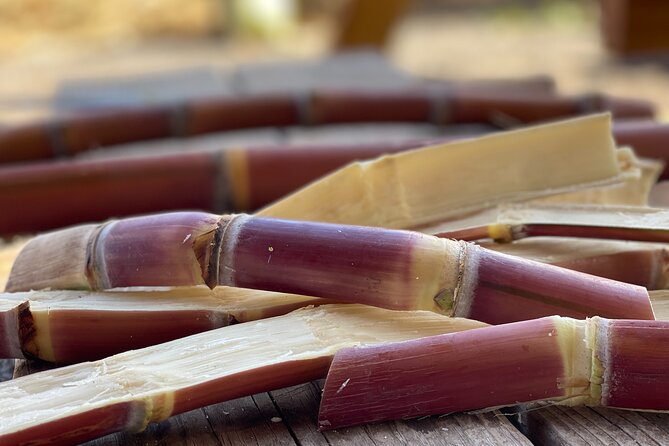
- Sugarcane juice is the most memorable hands-on activity
- Walking among tropical crops
- The people give the tour its character
- How the food and scenery work together
- Is $75 a fair price?
- Who will enjoy this experience most
- Booking, timing, and cancellation details
- Should you book the La Kāhea farm tour?
- FAQ
- Where does the Maui farm tour begin?
- What time does the tour start?
- How long does the experience last?
- What will I taste during the tour?
- Can I make sugarcane juice myself?
- Who leads the tour?
- How many people can join the tour?
- Can I cancel for a full refund?
What makes this Maui farm tour worth your time
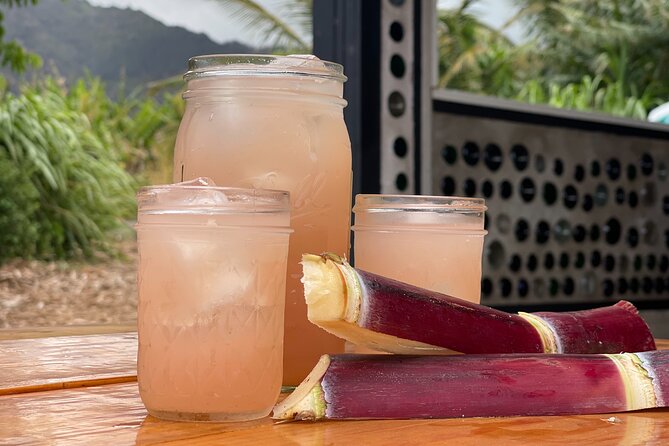
- Fresh tropical tastings: Sample fruit grown on the farm, along with sugarcane juice and, on some visits, banana ice cream with roasted macadamia nuts.
- A hands-on sugarcane stop: Use the farm’s equipment to press sugarcane and drink the juice yourself.
- Regenerative farming in plain language: Learn why soil care, local food production, and community agriculture matter on Maui.
- Views beyond the fruit trees: Look toward Haleakalā and the West Maui Mountains while walking through the farm.
- Small-group scale: The farm can host up to 35 people, giving the experience a more personal feel than a large sightseeing operation.
- A relaxed 10:30 a.m. start: The late-morning timing fits neatly into a day around Wailuku and central Maui.
Arriving at La Kāhea Community Farm near Wailuku
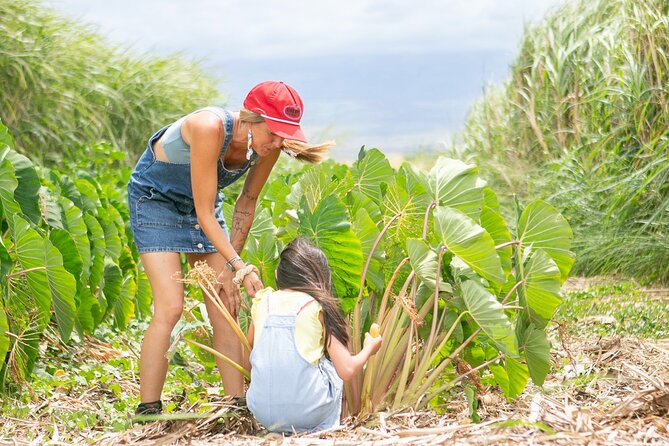
The tour begins at 10:30 a.m. at 2100 HI-30 in Wailuku. It ends at the same spot, so you do not need to arrange a separate pickup point or figure out where the experience finishes.
The location matters because this is not a standard roadside fruit stand. You are visiting a working community farm, where the point is to connect food with soil, people, and place. The setting also gives you a chance to look inland toward Haleakalā and across to the West Maui Mountains.
I would plan to arrive ready for an outdoor activity. The farm has been described as dry in parts, and the sun can be strong. Water and sunblock are sensible basics. Wear shoes and clothing you do not mind taking through a working agricultural area.
The tour is offered in English, and confirmation arrives when you book. The maximum group size is 35 people. That is not an intimate private visit, but it is still small enough for a guide to demonstrate the tastings and answer questions without the feel of a major bus tour.
Other Maui trips people book alongside this one:
- Maui Pineapple Farm Tour in Haliimaile
★ 5.0 · 2,855 reviews - Small-Group Road to Hana Adventure Tour with Pickup & Lunch
★ 5.0 · 2,637 reviews - Maui Eco-Raft Tour: Eye-Level Whale or Dolphin Watching – Lahaina
★ 5.0 · 2,482 reviews
Fresh fruit starts the farm visit
The food usually arrives early, helping you understand the farm through your senses before the walking portion begins. Expect a plate of sliced tropical fruit, with the exact selection depending on what is ready and available.
That changing menu is part of the appeal. A farm tour should not feel like a supermarket display with the same fruit every day. You may taste familiar fruit in a new setting, along with less common tropical varieties that you might not spot in a mainland grocery store.
The tasting also gives the guides a natural way to explain how tropical plants grow. You learn about leaves, fruit, trees, and crops brought to Hawaii by Polynesian voyagers. That historical connection adds useful context: Hawaiian food is not just a collection of exotic ingredients, but the result of careful transport, planting, and adaptation across the Pacific.
Do not expect a full meal. The food is a tasting, not lunch. Some visits include dessert, with banana ice cream or banana nice-cream and roasted macadamia nuts appearing as a popular finish. If you are booking this as your only food stop of the morning, plan to eat again afterward.
Sugarcane juice is the most memorable hands-on activity
The sugarcane stop is where the tour becomes more than a walk with explanations. You get to help press the cane and drink the juice. That simple task connects the crop to the finished drink in a way a prepared sample cannot.
The juice is refreshing and naturally sweet. Several visitors have also described it as nutritious, and one comparison called it nature’s sports drink. You do not need to take that claim literally to appreciate the point: this is a fresh drink made from a crop you have just handled.
Sugarcane also opens a window onto Hawaiian agriculture. The plant has a long place in Pacific food traditions, and tasting it at the farm gives the crop a cultural role, not just a culinary one. Winsome and the guides use these ingredients to explain farming methods and the reasons behind the farm’s work.
The activity is especially good for families with older children and teenagers, since pressing the cane gives them something concrete to do. Very young children may find the educational walking portion less exciting, and one direct assessment considered the tour a better fit for teenagers than small children.
Walking among tropical crops
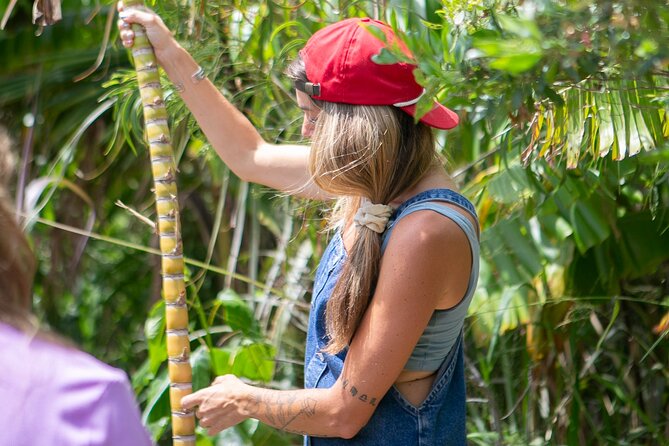
After the tasting, the tour moves into the farm itself. You walk among plants and trees, learning what grows there and how the farm approaches natural and regenerative agriculture.
The exact experience depends on conditions. A dry day may give you a clearer look at the crops and views, while rain can make the ground messy and shorten the outdoor portion. This is worth keeping in mind if you want a polished garden walk. You are visiting a real farm, so soil, weather, and uneven presentation are part of the setting.
That roughness is not necessarily a flaw. It lets you see agriculture as work in progress. La Kāhea is still expanding, and the farm’s development is part of the story. You can hear about current projects, future plans, and the larger goal of making local farming more sustainable and useful to the surrounding community.
You may also have the chance to taste or smell less common fruit directly among the plants. The tour is not presented as a guaranteed picking session, so do not book it expecting to fill a basket or harvest your own lunch. The focus is tasting, learning, and observing.
Same island, a completely different kind of day:
- Maui Snorkeling Adventure to Molokini and Turtle Town
★ 4.5 · 2,221 reviews - Maui: Haleakala Sunrise Spectacular with Local Breakfast
★ 4.5 · 2,155 reviews - Maui Snorkeling Adventure From Ma’alaea Harbor to Molokini
★ 4.5 · 1,997 reviews - Maui: Turtle Town Snorkel with Photo and Video
★ 5.0 · 1,916 reviews
The people give the tour its character
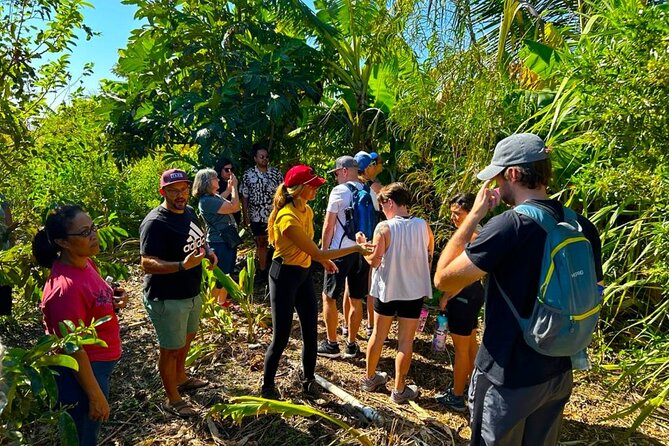
Winsome, the owner, is central to the experience. She shares the farm’s purpose and personal experience with a direct, enthusiastic style. The farm’s story is not separated from the people running it, which helps explain why the agriculture discussion feels practical rather than theoretical.
Anna is another key guide. She is known for an energetic presentation and for making families feel welcome. Emily, Jakke, Whit, and Jake have also hosted or helped with visits. The exact guide may vary, but the consistent strength is a personal approach and a clear interest in the farm’s future.
I like this kind of guiding because it gives you more than plant names. You hear why the farm exists, how community agriculture can help the environment, and what regenerative farming is trying to repair or improve. The presentation also covers crops associated with Polynesian settlement, linking modern farming with Hawaii’s older food traditions.
The strongest educational moments are likely to appeal to gardeners, home growers, and anyone interested in food systems. If you already spend time growing plants, you may get extra value from seeing how tropical crops differ from those in cooler climates. If you are mainly looking for scenery and snacks, you can still enjoy the tasting, but the farming discussion takes up a meaningful share of the 90 minutes.
How the food and scenery work together
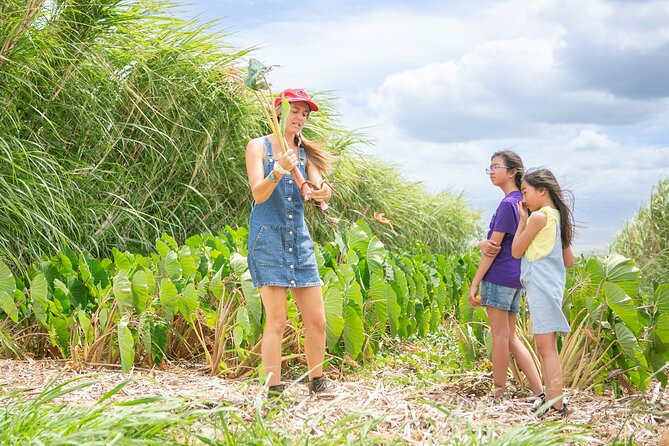
The setting adds pleasure without turning the tour into a photo-only stop. Haleakalā and the West Maui Mountains provide a dramatic backdrop, and the farm gives you a closer look at the plants producing your food.
You should bring your camera, but keep your expectations realistic. This is not a formal photo shoot with a set of guaranteed viewpoints. The best pictures will likely come from the combination of fruit, working fields, mountain views, and the sugarcane activity.
The farm’s location also makes the outing feel connected to Maui rather than cut off from it. You are not simply hearing about local agriculture in a classroom. You are standing among crops, tasting produce, and looking out at the island’s major mountain forms.
Rain can change that balance. A wet visit may mean fewer comfortable minutes outside and a less tidy farm experience. The cancellation terms recognize the outdoor nature of the activity: if poor weather forces cancellation, you can receive a different date or a full refund.
Is $75 a fair price?
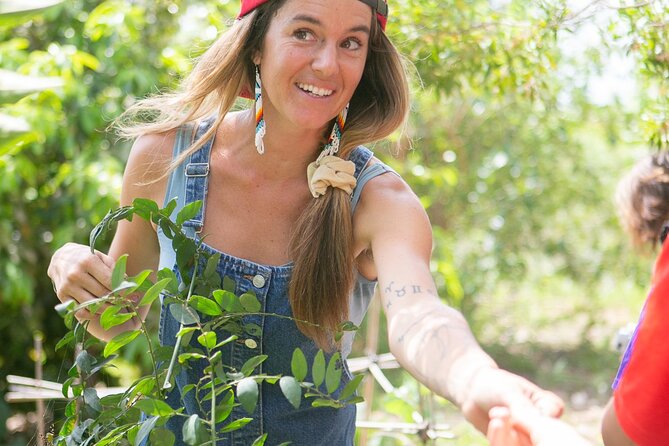
At $75 per person, this is not the cheapest way to spend 90 minutes on Maui. The value depends on what you want from a farm visit.
You are paying for a guided experience, tastings, the sugarcane activity, farm access, and a focused introduction to regenerative agriculture. The fruit, juice, and possible dessert are pleasant, but the real value is the combination of food and education. If you want to understand how local crops connect to Hawaiian culture and current food concerns, the price is easier to justify.
The value is weaker if you expect a large farm, a full lunch, extensive crop fields, or a long self-guided walk. One less enthusiastic assessment found less to see than expected. That is fair: the tour is short, and the farm is still developing.
I would compare it with other Maui activities by asking what kind of morning you want. For a relaxed, food-centered outing with a local agriculture focus, $75 can be reasonable. For a major sightseeing day with broad island views and many stops, this is too limited to fill that role.
Who will enjoy this experience most
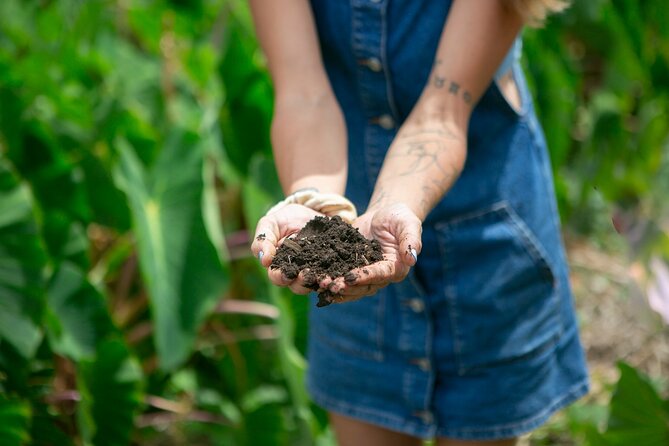
I would recommend the tour to:
- Gardeners and home growers curious about tropical plants
- Couples looking for a calm and unusual Maui activity
- Families with school-age children or teenagers
- People interested in Hawaiian crops and Polynesian food traditions
- Anyone who prefers local food and community projects to polished attractions
- Visitors who want a short activity near Wailuku rather than a full-day excursion
It is less suited to you if you need constant action, dislike outdoor heat, or want a fully finished garden setting. Young children may not stay engaged through the farming discussion, although the fruit and sugarcane can help.
The tour also works well as a lighter day between demanding outings. At about an hour and a half, it does not consume an entire morning. You finish where you started, with time left for other plans.
Booking, timing, and cancellation details
The experience is available with a mobile ticket and is conducted in English. It is commonly reserved well ahead, with the typical booking window averaging about 32 days, so I would not leave it until the final morning of your Maui trip if the timing matters to you.
Most people can participate, though the supplied information does not provide a detailed accessibility description. If you have specific mobility needs, contact the operator before booking rather than assuming the working-farm setting will suit you.
Free cancellation is available up to 24 hours before the 10:30 a.m. start time for a full refund. Changes or cancellations inside that window are not accepted for a refund. The farm also requires good weather and a minimum number of participants. If either condition causes cancellation, you are offered another date or experience, or a full refund.
Should you book the La Kāhea farm tour?
Book it if you want to taste Maui through its crops, meet people who care about local agriculture, and spend a quiet morning learning how a small farm is taking shape. The sugarcane juice, fresh fruit, banana ice cream, and mountain views give the visit plenty of pleasure, while Winsome and guides such as Anna add a human story.
Skip it if you are expecting a grand estate, a long plantation tour, or a full meal. La Kāhea is a working community farm, and its unfinished, sometimes messy character is part of what you are seeing.
For the right visitor, this is a thoughtful addition to a Maui itinerary: short, tasty, educational, and rooted in the island’s food future.
FAQ
Where does the Maui farm tour begin?
The tour begins at La Kāhea Community Farm, 2100 HI-30, Wailuku, Hawaii 96793.
What time does the tour start?
The scheduled start time is 10:30 a.m.
How long does the experience last?
The farm tour lasts approximately 1 hour and 30 minutes.
What will I taste during the tour?
You can expect fresh tropical fruit and sugarcane juice made during the visit. Depending on the visit, dessert may include banana ice cream or banana nice-cream with roasted macadamia nuts.
Can I make sugarcane juice myself?
Yes. The experience includes an interactive sugarcane-pressing activity where you help make the juice and then drink it.
Who leads the tour?
The farm is hosted by members of the La Kāhea Community Farm team, including owner Winsome and guides such as Anna and Emily. Other hosts listed for visits include Jakke, Whit, and Jake.
How many people can join the tour?
The maximum group size is 35 people.
Can I cancel for a full refund?
Yes. You can cancel at least 24 hours before the start time for a full refund. Cancellations or changes made less than 24 hours before the start time are not refunded. Poor weather or failure to meet the minimum group size may also lead to a rescheduled experience or full refund.
Just added around Maui
- Lahaina: Group Surf Lessons for Beginners★ 5.0 · 3 reviews
- Midmorning Whale Watch from Lahaina Harbor★ 3.5 · 3 reviews
- Clear Kayak Sunset and Glow Tour in Maui★ 3.5 · 3 reviews
- Professional Photographer in Maui★ 4.5 · 3 reviews
- The Ultimate Road to Hana Slingshot Adventure from Kihei Maui★ 5.0 · 3 reviews
- Private Airport Arrivals Rides to Hotel★ 5.0 · 3 reviews
- Brewery and Beach Cruise in a Vintage VW Bus★ 3.5 · 3 reviews
- Lahaina: Private Sunset Sailing Trip & West Maui Mountains★ 5.0 · 3 reviews
Farms, compared.
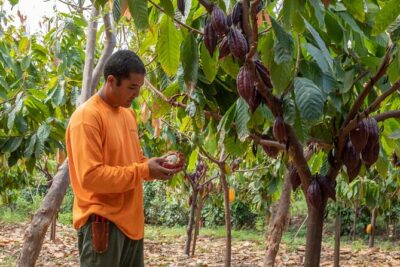
Maui Ku’ia Estate Guided Cacao Farm Tour and Tasting
Read our review →
Road to Hana Adventure with Farm to Table Lunch
Read our review →
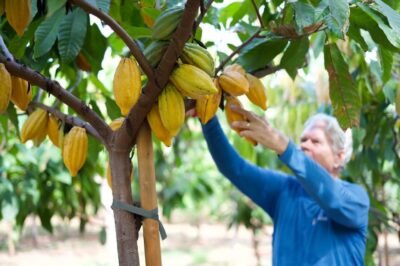
Maui Ku’ia Estate Guided Cacao Farm Tour & Tasting
Read our review →
Browse the lists this tour appears in