

Reviewed · WHALE WATCHING
Whale Watch by Kayak-No Time Limit
Out on a kayak at Olowalu Beach, you hear whale song without an engine between you and the ocean. From December through April, Gabriel’s Ohana guides you toward humpback whales, while turtles, reef fish, coral heads, flying fish, and even jumping tuna may fill the morning. I especially like the small-group setting and the relaxed pace, since you are not pushed back to shore the moment the clock says so.
I also like the practical gear: long fins, soft silicone masks, fitted life vests from small through XXXL, rash guards, reef-safe sunscreen, water, and snacks. The main catch is seasonal and natural: whale sightings depend on being there from December to April and on the animals cooperating. Rough weather can cancel the trip, and kayaking plus snorkeling still requires reasonable comfort in the ocean.
In This Review
- Key things to know before you book
- Starting from Olowalu Beach at 8:30 a.m.
- Why a kayak changes whale watching
- Olowalu’s reef, turtles, and clear-bottom kayaks
- Guides who keep the morning personal
- What the four-hour outing feels like
- What is included, and what you still need
- The main drawbacks to weigh
- Who will enjoy this Maui outing most
- Should you book Whale Watch by Kayak?
- FAQ
- Where does the kayak and snorkel tour begin?
- What time does the tour start?
- How long does the outing last?
- When can you see humpback whales?
- How large can the group be?
- What equipment is provided?
- Are food and drinks included?
- What happens if bad weather cancels the tour?
Key things to know before you book
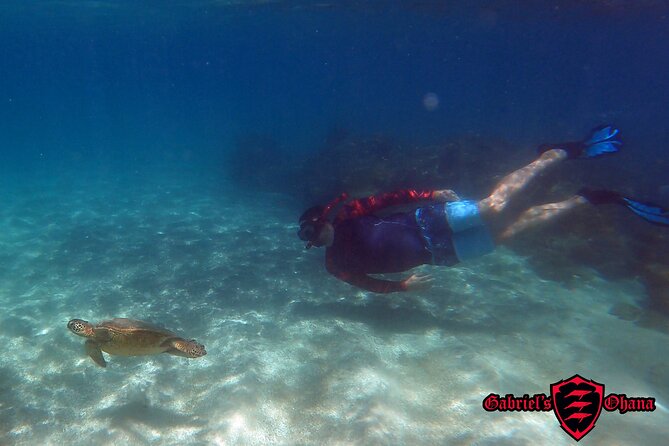
- Whale season runs from December through April, with sightings sought from a quiet kayak rather than a powered boat.
- Olowalu Beach is the only listed stop, so the morning focuses on time on the water instead of moving between several sites.
- The pace is unusually flexible, with no strict time limit for watching and exploring during the outing.
- The group can include up to 20 people, smaller than many large boat excursions but not necessarily a private trip.
- Snacks and useful water gear are included, including a dry bag, rash guard, sunscreen, long fins, mask, and life vest.
- Ten dollars from each booked seat supports the University of Hawaiʻi Maui College, and that amount is already included in the price.
Starting from Olowalu Beach at 8:30 a.m.

Your morning begins at Olowalu Beach, a historic coastal location on Maui. The meeting point is also the ending point, which keeps the plan simple: arrive ready for the water, spend the morning paddling and snorkeling, then return to where you started.
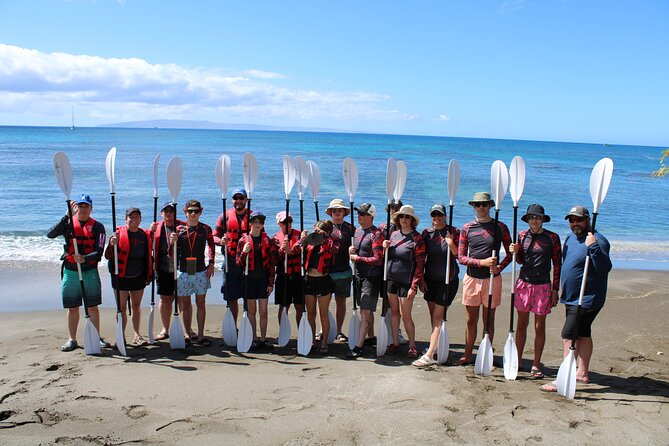
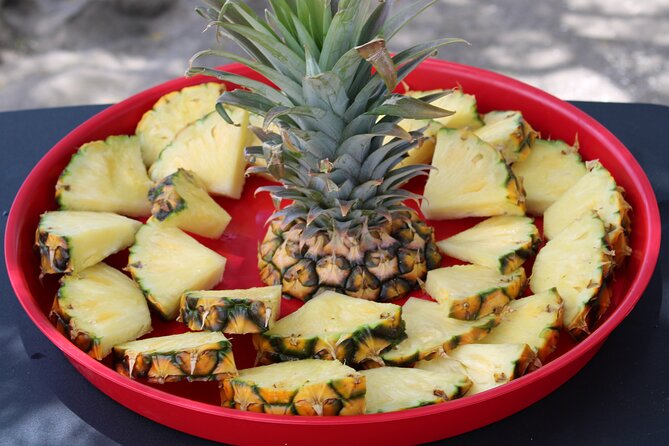
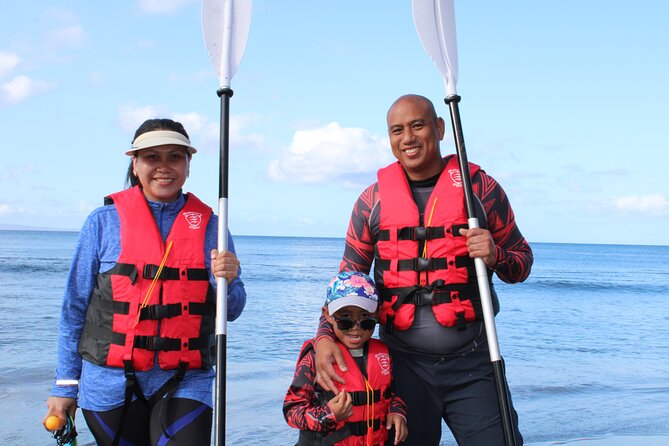
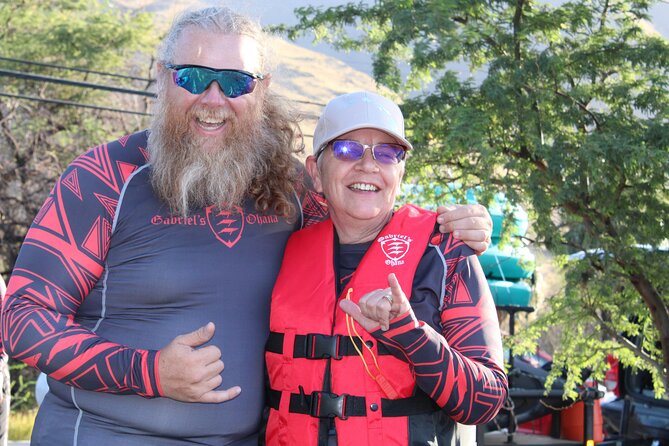
Gabriel’s Ohana gets you fitted with a long-sleeve rash guard and life vest before you launch. You also receive a paddle, dry bag, water, granola, pineapple, and reef-safe sunscreen. The setup is practical rather than fancy, but that is exactly what you want for a kayak tour. You can keep small items dry, protect your skin, and avoid paying extra for basics once you are already on the beach.
The listed start time is 8:30 a.m., and the total outing is about four hours. That gives you a useful half-day on the water without taking over your entire Maui schedule. You will want to arrive prepared with a hat or sunglasses, since those are not included. The operator does allow service animals, and most people can participate, though you should be honest with yourself about your swimming and paddling comfort.
More whale watching trips from Maui:
- Maui Eco-Raft Tour: Eye-Level Whale or Dolphin Watching – Lahaina
★ 5.0 · 2,482 reviews - From Maalaea: Whale Watching Tour Aboard the Quicksilver
★ 4.5 · 1,280 reviews - Maui: Ultimate Whale Watch from Lahaina
★ 5.0 · 1,162 reviews
Why a kayak changes whale watching
A kayak gives you a very different setting from a large whale-watching boat. There is no motor noise or fuel smell, and the low position puts you close to the surface. That can make whale song easier to appreciate and gives the ocean a quieter feel.
The tradeoff is that a kayak is not a viewing platform. You have less height, less shelter, and less certainty about what you will see. A whale can surface out of your view, and sightings are never guaranteed. The guides use their local experience to place you in good areas, but nature keeps the final say.
The most rewarding moments can come from simply waiting. One morning may bring two mother and calf pairs, escorts, breaching, or tail slapping. Another may be quieter, with sea turtles, flying fish, and reef life providing the action. If you need constant close-up whale activity, a large boat may offer a better match. If you like being part of the setting, the kayak has the edge.
The no-time-limit promise is especially useful here. Whale watching often involves patience, and you are not limited to a quick pass through an area before the guide has to hurry back. The tour still lasts about four hours, but the emphasis is on spending as much of that time as possible watching and exploring rather than racing through a fixed schedule.
Olowalu’s reef, turtles, and clear-bottom kayaks
The water near Olowalu offers more than whale watching. The guides point out ancient coral heads, schools of fish, and sea turtles. At times, you might also see smaller surface visitors such as flying fish or a jumping tuna.
The clear-bottom kayaks add another way to see below you while paddling. This matters because you are not forced to choose between kayaking and looking into the water. You can watch the reef from your seat, then stop for a closer look with the mask and fins.
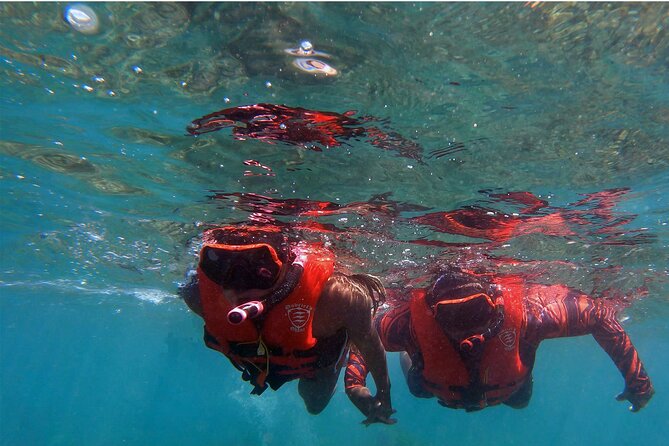
Snorkeling is a major part of the appeal. Long fins give you more push with each kick and may help reduce fatigue, while the soft silicone masks should make it easier to settle into the water. The fitted life vests use under-leg straps and come in sizes small through XXXL. If you are not used to swimming in the ocean, wearing a life vest while snorkeling is a sensible choice, not an admission of defeat.
A useful tip is to take a life jacket with you when you leave the kayak to snorkel. It helps you stay buoyant while you look for turtles and reef creatures, so you can spend less energy simply staying afloat. The guides can also help you choose the right equipment and keep an eye on how everyone is doing.
Guides who keep the morning personal
Gabriel’s Ohana is a family-owned company, and that family approach shapes the tour. Gabriel, Jason, and Nicholas are named members of the guiding team, and Gabriel’s mother has also guided outings. The group size can reach 20 people, so do not assume every departure will feel like a private paddle. Still, the family operation and small-group format give the guides room to pay attention to individual comfort.
That personal attention matters in the water. A good guide needs to spot marine life, explain the reef, watch the group, and adjust the pace when someone is tired. Gabriel is also CPR trained and certified, an important practical detail for any ocean activity.
The guides explain the reef, nearby islands, and sea life rather than simply pointing out a whale and moving on. They may also help you notice creatures you would miss alone. One useful example from the guiding style is the effort to locate small sea life for people to see and to record video of a turtle below the surface.
You should still expect an active outing, not a sightseeing cruise. You will paddle, get in the water, and manage your own body position in the ocean. The team can support you, but you need to participate.
More kayak and paddle trips on Maui:
- Maui Clear Kayak and Snorkel Tour: Swim with turtles (Makena)
★ 5.0 · 551 reviews - Maui: Turtle Town Kayak and Snorkel Tour
★ 4.7 · 345 reviews - Turtle Reef Kayak Tour of Makena, Maui
★ 4.5 · 328 reviews - Private Stand Up Paddle Boarding Tour in Turtle Town, Maui
★ 5.0 · 293 reviews
What the four-hour outing feels like
The first part is preparation and launch. You get dressed in the rash guard, receive a fitted life vest, collect your paddle and dry bag, and settle into the kayak. The guides provide water and food, so you do not need to carry a full beach picnic.
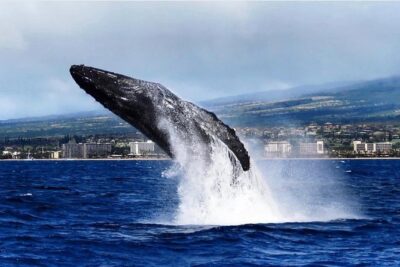
Once on the water, the group searches for whales during the winter and spring season. The kayak lets you move quietly, and the guides use their knowledge of the area to look for productive spots. You may spend part of the morning observing from the kayak, with the possibility of seeing whales surface, breach, slap their tails, or travel with calves and escorts.
The rest of the time can include looking through the clear kayak bottom, learning about the reef, and stopping to snorkel. You are not rushed through a set of numbered stops. Olowalu Beach is the listed location, so the value comes from staying in one marine area long enough to watch it reveal itself.
That format suits people who prefer depth over constant movement. You might not collect a long list of beaches, but you get more time to pay attention to one stretch of ocean. The return is to the same meeting point, making the end of the morning easy to manage.
What is included, and what you still need
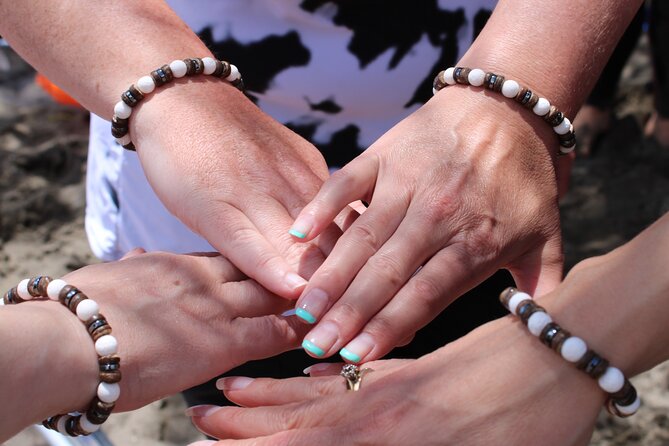
The $129 price covers more than the kayak itself. Included are snorkeling equipment, a dry bag, rash guard, reef-safe sunscreen, life vest, bottled water, granola, pineapple, all fees and taxes, and the $10 contribution to the University of Hawaiʻi Maui College for each booked seat.
That is a fair value if you need the equipment and want a guided outing. You are not just renting a kayak for a short session. You are paying for guides, safety support, whale-searching time, snorkeling access, food, and gear that would cost extra to assemble on your own.
You still need to bring a hat or sunglasses. The supplied information does not list hotel transportation, so plan to make your own way to Olowalu Beach. It also does not mention photography equipment, towels, or a specific changing area, so keep your packing simple and confirm any personal needs before booking.
The charitable contribution is a pleasant extra. It does not change the price you pay, but it directs part of each seat toward a Maui college program. If supporting local education matters to you, that gives the fee a little more purpose.
The main drawbacks to weigh
The biggest limitation is that whale watching is seasonal. If you visit outside December through April, the whale-searching part is not available as described. Even during whale season, sightings depend on weather, sea conditions, and animal behavior.
You also need to accept the physical nature of the activity. Four hours around kayaks and snorkel stops can be tiring, particularly if you are new to ocean swimming. The long fins and life vests help, but they do not remove the need for basic comfort in the water.
A group of up to 20 people is manageable, but it is not the same as having a guide all to yourself. The family-run format may feel personal, yet the exact atmosphere will depend on the size of your departure and the guide team working that day.
Finally, the no-time-limit wording should be read sensibly. It means you are not hurried during the whale watching and snorkeling, not that you can stay on the water all day. The scheduled outing is about four hours.
Who will enjoy this Maui outing most
I would choose this for someone who wants whale watching to feel quiet and active. You get to paddle under your own power, listen for whales without an engine, and switch between marine wildlife watching and snorkeling.
It is also a strong fit for families or mixed-age groups who benefit from a wide range of life vest sizes and patient support. The provided snacks and water make the morning easier, and the dry bag protects small essentials during the paddle.
This may not be your best choice if you want a guaranteed whale sighting, a luxury boat, or a completely effortless day. It is also less suitable if you dislike open-water activity or do not want to snorkel. The guides can help, but you should be ready to paddle and take an active role.
Book early if your dates are fixed. This outing is commonly reserved about 28 days ahead, and the maximum group size is limited. Keep the weather policy in mind too: poor conditions can lead to a new date or a full refund.
Should you book Whale Watch by Kayak?
Book it if you value a quiet ocean setting, a family-run company, and enough time to let the wildlife come to you. The combination of humpback whales in season, turtles, reef fish, snorkeling, clear-bottom kayaks, and useful included gear gives the $129 price solid value.
I would be more cautious if whales are the only reason you are booking. No wildlife trip can promise the animals will perform, and the ocean may not cooperate. But if you would enjoy the paddle and reef time even on a slower morning, Gabriel’s Ohana offers a thoughtful way to experience Olowalu from the water.
Free cancellation is available up to 24 hours before the 8:30 a.m. start for a full refund. Cancellations or changes inside that window are not refunded or accepted, and weather cancellations offer either another date or a full refund.
FAQ
Where does the kayak and snorkel tour begin?
The tour begins at Olowalu Beach, Olowalu, Hawaii 96761. It also ends back at the same meeting point.
What time does the tour start?
The listed start time is 8:30 a.m.
How long does the outing last?
The experience lasts approximately four hours. It has no strict time limit for watching and exploring during the outing, but it is still a scheduled half-day activity.
When can you see humpback whales?
The whale-watching portion is offered from December through April.
How large can the group be?
The activity has a maximum of 20 participants.
What equipment is provided?
Snorkeling equipment, long fins, soft silicone masks, a dry bag, rash guard, reef-safe sunscreen, and life vests from sizes small through XXXL are provided.
Are food and drinks included?
Yes. Bottled water, granola, and pineapple are included.
What happens if bad weather cancels the tour?
If poor weather causes a cancellation, you will be offered a different date or a full refund. You can also cancel at least 24 hours before the start time for a full refund.
Just added around Maui
- Lahaina: Group Surf Lessons for Beginners★ 5.0 · 3 reviews
- Midmorning Whale Watch from Lahaina Harbor★ 3.5 · 3 reviews
- Professional Photographer in Maui★ 4.5 · 3 reviews
- The Ultimate Road to Hana Slingshot Adventure from Kihei Maui★ 5.0 · 3 reviews
- Clear Kayak Sunset and Glow Tour in Maui★ 3.5 · 3 reviews
- Private Airport Arrivals Rides to Hotel★ 5.0 · 3 reviews
- Brewery and Beach Cruise in a Vintage VW Bus★ 3.5 · 3 reviews
- Lahaina: Private Sunset Sailing Trip & West Maui Mountains★ 5.0 · 3 reviews
Whale Watching, compared.
Maui Eco-Raft Tour: Eye-Level Whale or Dolphin Watching – Lahaina
Read our review →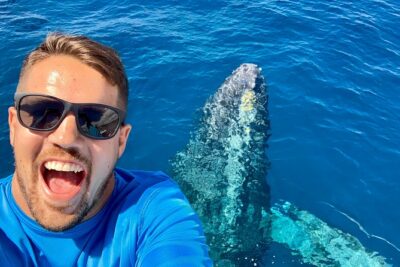
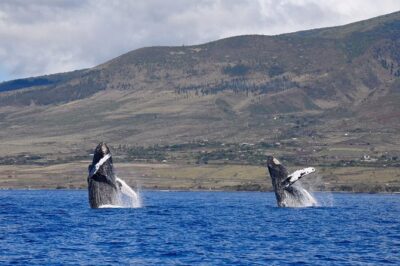
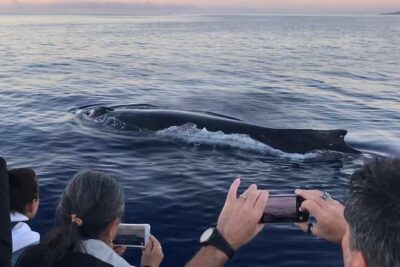
WHALES GUARANTEED Maui Whale Watching Makai Adventures
Read our review →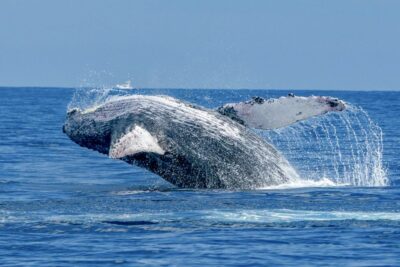
Whale Watching Cruise with Open Bar from Ka’anapali Beach
Read our review →
Whale Watching Maui: 2-Hour Small Group Raft Tour from Lahaina
Read our review →
Browse the lists this tour appears in